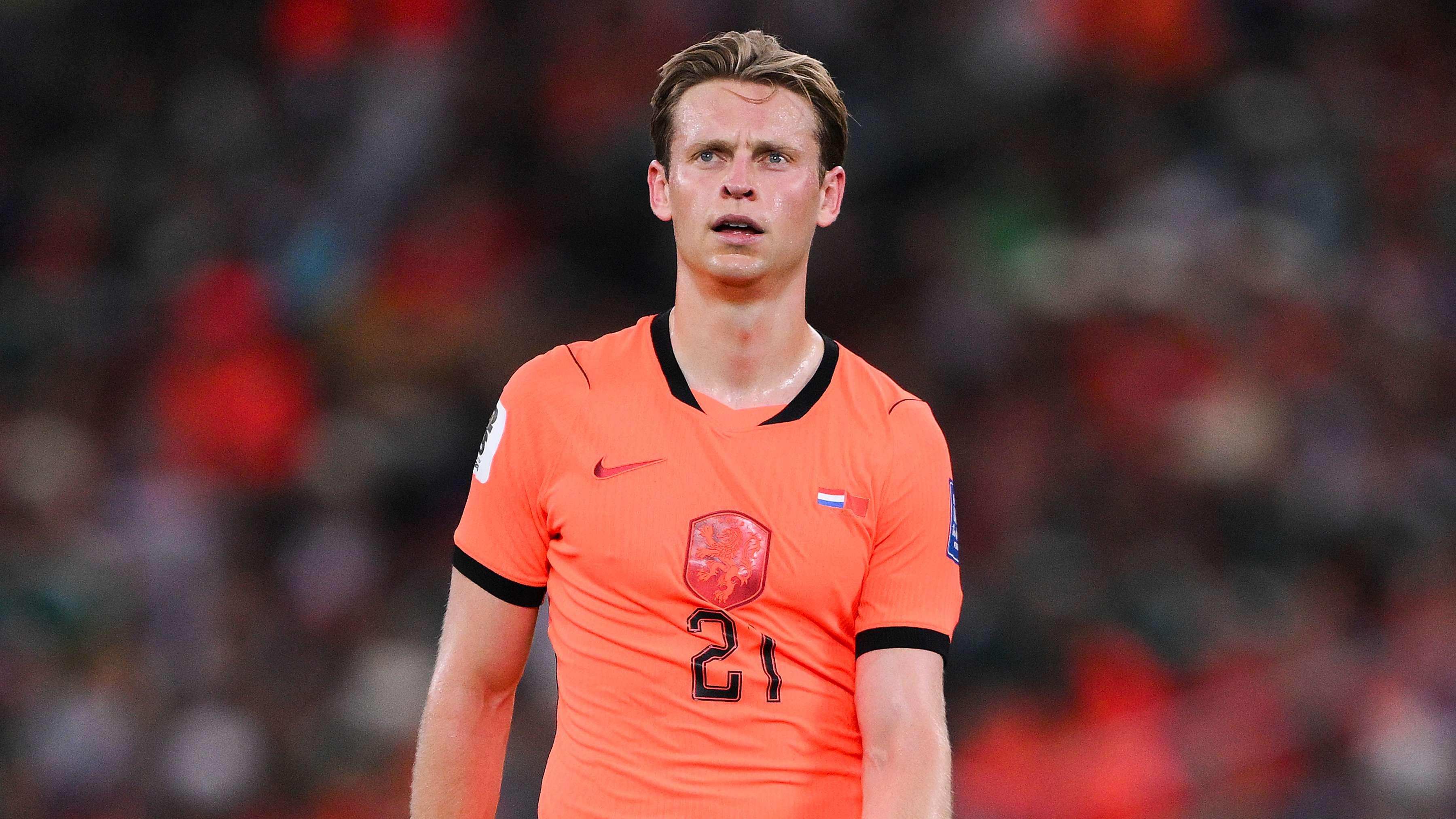
Rafael van der Vaart Criticizes Frenkie de Jong After World Cup Exit
Former Dutch midfielder Rafael van der Vaart did not hold back in his criticism of Barcelona star Frenkie de Jong after the Netherlands’ heartbreaking World Cup exit against Morocco. Van der Vaart expressed his frustration with the tactical decisions made by manager Ronald Koeman during the match in Monterrey, claiming that they had a detrimental impact on De Jong’s performance.
Blistering Critique
Van der Vaart, known for his candid opinions, did not mince his words when discussing De Jong’s role in the match. The former Oranje midfielder argued that Koeman’s system isolated and nullified the talented midfielder, leaving him unable to make the impact that fans had hoped for.
In his critique, Van der Vaart highlighted the importance of utilizing De Jong’s skills effectively and creating a system that allows him to thrive on the pitch. He pointed out that the manager’s tactics failed to do so, ultimately leading to the team’s downfall in the crucial World Cup match.
Disappointment and Frustration
The Netherlands’ exit from the World Cup came as a major disappointment to fans and players alike. De Jong, considered one of the team’s key players, was unable to showcase his full potential due to the tactical limitations placed on him by Koeman.
Van der Vaart’s critique shed light on the frustration felt by many Dutch football enthusiasts, who had high hopes for their team’s performance in the tournament. The former midfielder’s words resonated with fans who shared his belief that De Jong was not utilized to his full capabilities during the match.
Lessons to be Learned
As the Dutch team reflects on their World Cup campaign, there are valuable lessons to be learned from their exit. The importance of strategic tactics and effective utilization of key players, such as De Jong, cannot be understated in high-stakes matches.
Moving forward, it will be crucial for the team to address the issues raised by Van der Vaart and other critics in order to improve their performance in future tournaments. The disappointment of this World Cup exit serves as a reminder of the importance of tactical awareness and player management in competitive football.
Looking Ahead
Despite the disappointment of their World Cup exit, the Dutch team has the opportunity to regroup and focus on their upcoming challenges. With talented players like De Jong in their ranks, there is still a great deal of potential for success in future competitions.
As fans eagerly await the team’s next move, the spotlight remains on how they will address the issues raised by critics like Van der Vaart. The Dutch football community will be watching closely as the team prepares for their next test on the international stage.
In conclusion, Rafael van der Vaart’s critique of Frenkie de Jong’s performance in the World Cup match against Morocco has sparked important discussions about tactical decisions and player utilization in football. As the Dutch team reflects on their exit from the tournament, there is a renewed focus on the need for strategic improvements moving forward.
Impact on Frenkie de Jong
Van der Vaart’s criticism of Frenkie de Jong sheds light on the pressure and expectations placed on the young midfielder. De Jong, hailed as one of the brightest talents in world football, has faced intense scrutiny following the World Cup exit. The spotlight on his performance highlights the challenges that come with being a key player for both club and country.
Despite his immense potential, De Jong will need to navigate the criticism and use it as motivation to further develop his skills and adaptability on the pitch. The experience gained from high-pressure situations like the World Cup will be invaluable in shaping his future performances for Barcelona and the Dutch national team.
The Role of Managerial Decisions
Van der Vaart’s critique also brings into question the role of managers in maximizing the potential of their players. Ronald Koeman’s tactical decisions have come under scrutiny, with many questioning whether he effectively utilized the talent at his disposal during the crucial match against Morocco.
Effective player management and strategic planning are essential components of a successful football team. The ability of a manager to adapt tactics based on the strengths of their players can determine the outcome of important matches. As the Dutch team evaluates their World Cup campaign, they will need to address the managerial decisions that may have contributed to their early exit from the tournament.
Striving for Improvement
While the disappointment of the World Cup exit lingers, the Dutch team has an opportunity to use this setback as a catalyst for growth and improvement. Reflecting on the challenges faced during the tournament can provide valuable insights into areas that require development, both on and off the pitch.
By focusing on enhancing tactical awareness, optimizing player utilization, and fostering a culture of continuous improvement, the Dutch team can position themselves for success in future competitions. The commitment to learning from past experiences and striving for excellence will be key in shaping the team’s trajectory moving forward.
Support from Fans
As the Dutch team navigates the aftermath of their World Cup exit, they can draw strength from the unwavering support of their fans. The passionate football community in the Netherlands remains dedicated to the success of their national team, offering encouragement and belief in the players’ abilities to bounce back from setbacks.
The outpouring of support from fans can serve as a source of inspiration for the players, motivating them to rise above challenges and work towards achieving their goals. The connection between the team and its supporters creates a strong sense of unity and purpose, driving them towards future triumphs on the international stage.
Conclusion
In conclusion, Rafael van der Vaart’s critique of Frenkie de Jong’s performance in the World Cup match against Morocco has sparked important conversations about player expectations, managerial decisions, and the quest for improvement in football. As the Dutch team navigates the aftermath of their World Cup exit, they have the opportunity to learn from the challenges faced and emerge stronger and more resilient in their pursuit of success.