Neil Warnock Criticizes Thomas Tuchel’s Treatment of Kobbie Mainoo
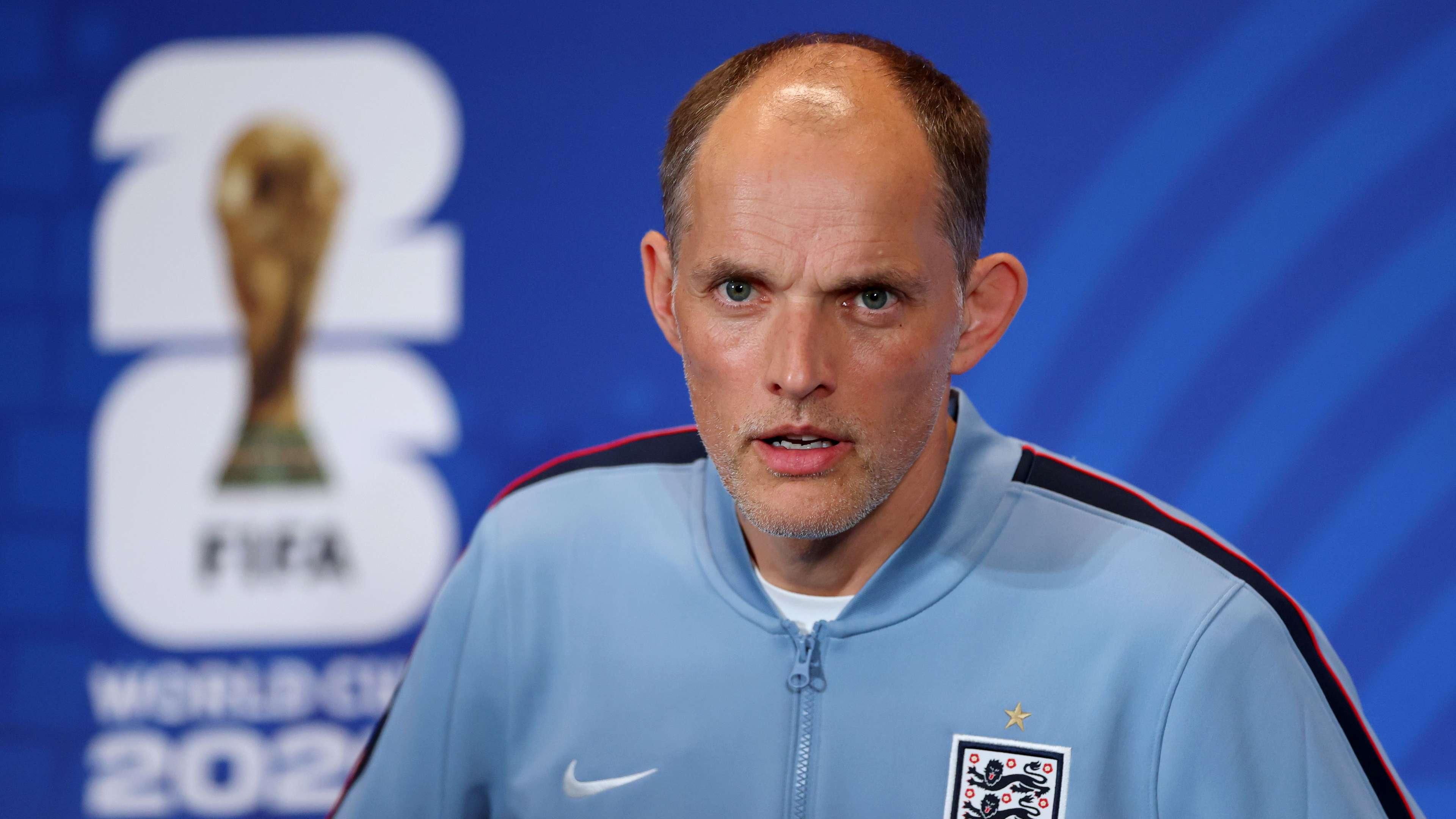
Football news has been buzzing with controversy as Neil Warnock, a prominent figure in the world of football, has accused Thomas Tuchel of overstepping the mark in his handling of Kobbie Mainoo at the World Cup. Mainoo, a midfielder for Manchester United, has been at the center of public scrutiny after Tuchel’s criticisms of his performance. Warnock, known for his outspoken nature, did not hold back in expressing his disapproval of Tuchel’s actions.
Public Criticism Branded ‘Totally Unfair’
As the football world gears up for the third-place play-off between England and France, tensions are running high. Warnock, a seasoned coach with years of experience under his belt, condemned Tuchel’s public criticism of Mainoo as “totally unfair”. The England coach’s remarks have sparked a debate among fans and experts alike, with many questioning the appropriateness of such comments.
Warnock, a no-nonsense manager known for his blunt opinions, emphasized the need for constructive feedback in the world of football. He highlighted the importance of supporting players, especially during high-pressure events like the World Cup. Warnock’s strong stance on the issue has garnered attention from football fans around the world.
Implications for Player Morale and Performance
The controversy surrounding Tuchel’s comments on Mainoo raises important questions about the impact of public criticism on player morale and performance. As a young player representing one of the biggest clubs in the world, Mainoo faces immense pressure to perform at the highest level. The scrutiny from his own national team coach only adds to the weight on his shoulders.
Warnock’s intervention in the matter sheds light on the delicate balance between pushing players to reach their full potential and demotivating them with harsh criticism. The role of coaches in nurturing talent and fostering a positive team environment is crucial in achieving success on the pitch.
Looking Ahead to the Future
As the football community awaits the outcome of the third-place play-off, all eyes will be on Mainoo and his performance on the field. The young midfielder will have the opportunity to prove his critics wrong and showcase his skills on the international stage.
Regardless of the outcome of the match, the debate sparked by Tuchel’s comments is likely to continue in the coming weeks. The football world remains divided on the issue of public criticism and its impact on players’ mental well-being.
As the World Cup draws to a close, the lessons learned from this controversy will serve as a reminder of the importance of respect and support in the world of football.
The Power of Constructive Criticism in Football
While public criticism can be a double-edged sword in the world of football, it is essential to recognize the value of constructive feedback in player development. Coaches like Thomas Tuchel play a crucial role in pushing players to improve and reach their full potential. However, the manner in which feedback is delivered can make a significant difference in how it is received by the players.
Constructive criticism involves providing feedback that is specific, actionable, and aimed at helping the player grow. When delivered effectively, constructive criticism can motivate players to work harder and make positive changes to their game. It is a delicate balance that coaches must strike to ensure that their feedback is beneficial rather than demoralizing.
The case of Kobbie Mainoo and Thomas Tuchel serves as a reminder of the importance of tact and sensitivity when offering criticism in a public forum. While it is essential for coaches to hold players accountable for their performances, it is equally important to do so in a way that preserves the player’s confidence and self-esteem.
The Role of Mentors in Player Development
Football is not just a physical game; it is also a mental one. The mental resilience of players is just as crucial as their physical abilities when it comes to performing at the highest level. Coaches serve as mentors and role models for their players, shaping not only their skills on the field but also their attitudes off the field.
Mentors like Neil Warnock understand the significance of building players up rather than tearing them down. Their guidance and support can make a world of difference in a player’s career trajectory. By fostering a positive and nurturing environment, coaches can help players overcome challenges and reach their full potential.
As the football world continues to evolve, the role of mentors in player development becomes increasingly important. Coaches have the power to inspire, motivate, and empower their players, leading them to success both on and off the pitch.
The Impact of Public Scrutiny on Young Players
Young players like Kobbie Mainoo are especially vulnerable to the pressures of public scrutiny. As they navigate the complexities of professional football, they rely on their coaches and mentors for guidance and support. Public criticism can take a toll on their mental well-being and confidence, affecting their performance on the field.
Coaches must be mindful of the impact their words have on young players and take into consideration the unique challenges they face. By building a supportive and nurturing environment, coaches can help young players thrive and reach their full potential. Empathy, understanding, and encouragement are essential components of effective coaching, especially when working with young talents.
Conclusion
The controversy surrounding Thomas Tuchel’s treatment of Kobbie Mainoo has sparked important discussions in the world of football. As coaches, mentors, and fans, it is crucial to consider the implications of public criticism on player development and well-being. By fostering a culture of respect, support, and constructive feedback, we can create a positive and nurturing environment for players to flourish.
As we reflect on the lessons learned from this incident, let us remember the power of words in shaping the future of young talents in football. Together, we can work towards creating a more positive and empowering environment for players to thrive and achieve their dreams on the pitch.