The Other Side of Moroccan Football’s Renaissance: A Major Crisis Awaiting a Solution
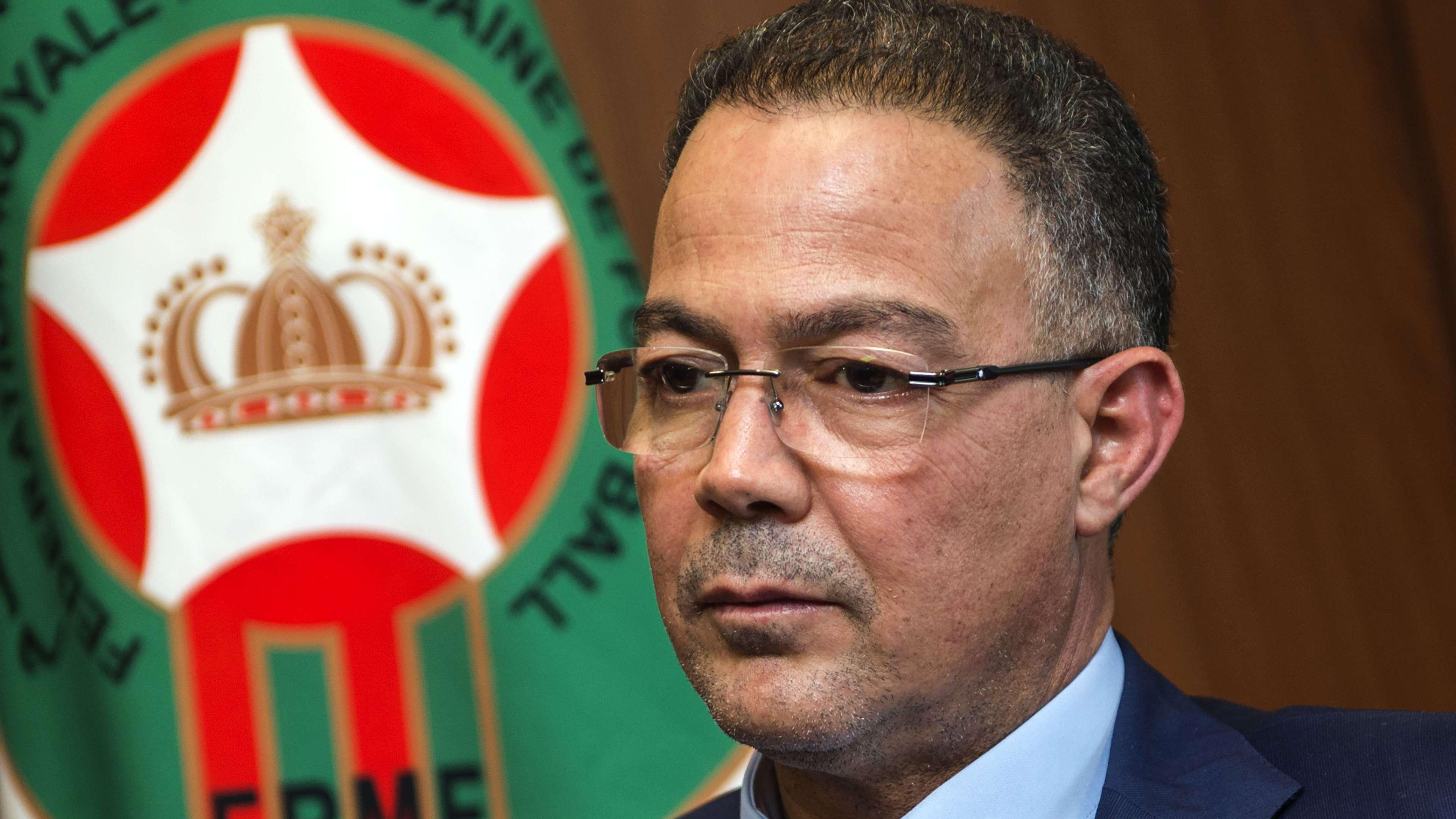
While Moroccan football continues to thrive at the national-team level and on the international stage, there is a dark cloud looming over the domestic league. Fouzi Lekjaa, president of the Royal Moroccan Football Federation, recently raised concerns about a major crisis brewing within the league.
Since taking over the helm of Moroccan football in 2014, Lekjaa has spearheaded various financial and administrative reform projects. However, despite the progress made in other areas, the domestic league is facing mounting debts, growing disputes, and matches being marred by protests.
A Troubling Financial Picture
According to available financial data, several of the biggest clubs in Morocco are struggling with debts and disputes amounting to millions of dollars. This dire situation raises questions about the effectiveness of the reforms implemented by the federation.
Lekjaa’s warning sheds light on the challenges that Moroccan football clubs are facing behind the scenes. While the national team’s success has garnered widespread praise and attention, the issues within the domestic league cannot be ignored.
Addressing the Crisis
In response to the crisis, the Royal Moroccan Football Federation is being called upon to take decisive action to resolve the mounting debts and disputes plaguing the league. Without intervention, the financial stability of clubs and the overall health of Moroccan football could be at risk.
It is crucial for all stakeholders, including club owners, players, and fans, to come together to find solutions to the pressing issues facing the domestic league. Transparency, accountability, and effective governance will be key in overcoming the challenges at hand.
Looking Ahead
As Moroccan football continues to make strides on the international stage and in terms of infrastructure development, it is imperative that the focus is also on addressing the internal challenges within the domestic league. By tackling the financial woes and disputes head-on, Moroccan football can ensure a sustainable future for all clubs and stakeholders involved.
Ultimately, the success of Moroccan football should not be measured solely by the achievements of the national team, but also by the health and stability of the league that serves as the foundation of the sport in the country.
It is hoped that with concerted efforts and a commitment to reform, Moroccan football can overcome the crisis at hand and emerge stronger and more resilient than ever before.
The Impact of COVID-19 on Moroccan Football
One of the factors exacerbating the financial crisis in Moroccan football is the ongoing COVID-19 pandemic. The suspension of matches, lack of ticket sales, and reduced sponsorship deals have hit clubs hard, leading to a significant loss of revenue. The pandemic has highlighted the fragility of the financial ecosystem supporting football in Morocco and the need for sustainable financial planning to weather such unforeseen crises in the future.
Player Welfare and Contract Disputes
Amidst the financial turmoil, players in Moroccan football have also been affected. Reports of delayed payments, contract disputes, and inadequate working conditions have surfaced, raising concerns about the welfare of athletes within the league. Addressing these issues is crucial not only for the players’ well-being but also for the overall integrity and professionalism of Moroccan football.
The Role of Youth Development
While the focus is often on the top-tier clubs and the national team, youth development remains a vital component of sustaining the future of Moroccan football. Investing in grassroots programs, academies, and coaching education can help nurture talent from a young age and ensure a pipeline of skilled players for the domestic league and national team. By prioritizing youth development, Moroccan football can build a strong foundation for long-term success.
The Need for Strong Governance and Oversight
To address the crisis in Moroccan football effectively, there is a pressing need for strong governance, transparency, and oversight mechanisms. Implementing robust financial controls, ensuring compliance with regulations, and holding stakeholders accountable can help restore trust and stability within the league. The Royal Moroccan Football Federation plays a crucial role in setting the standards and frameworks necessary to navigate through the current challenges.
Finding Innovative Solutions
In addition to traditional financial reforms, exploring innovative solutions such as revenue-sharing agreements, strategic partnerships, and digital initiatives can offer new avenues for generating income and promoting sustainability within Moroccan football. Embracing technology, data analytics, and fan engagement strategies can modernize the league and attract a broader audience, ultimately contributing to its long-term viability.
Collaboration and Unity for a Stronger Future
As Moroccan football confronts its internal crisis, fostering collaboration, unity, and a shared vision for the future will be essential. By bringing together all stakeholders with a commitment to the well-being of the sport, Moroccan football can overcome its current challenges and emerge as a more resilient and prosperous entity. The journey ahead may be arduous, but with collective effort and strategic planning, Moroccan football can navigate through the storm and emerge stronger on the other side.
Together, let us work towards a brighter and more sustainable future for Moroccan football, where the achievements of the national team are mirrored by a thriving, stable, and flourishing domestic league.