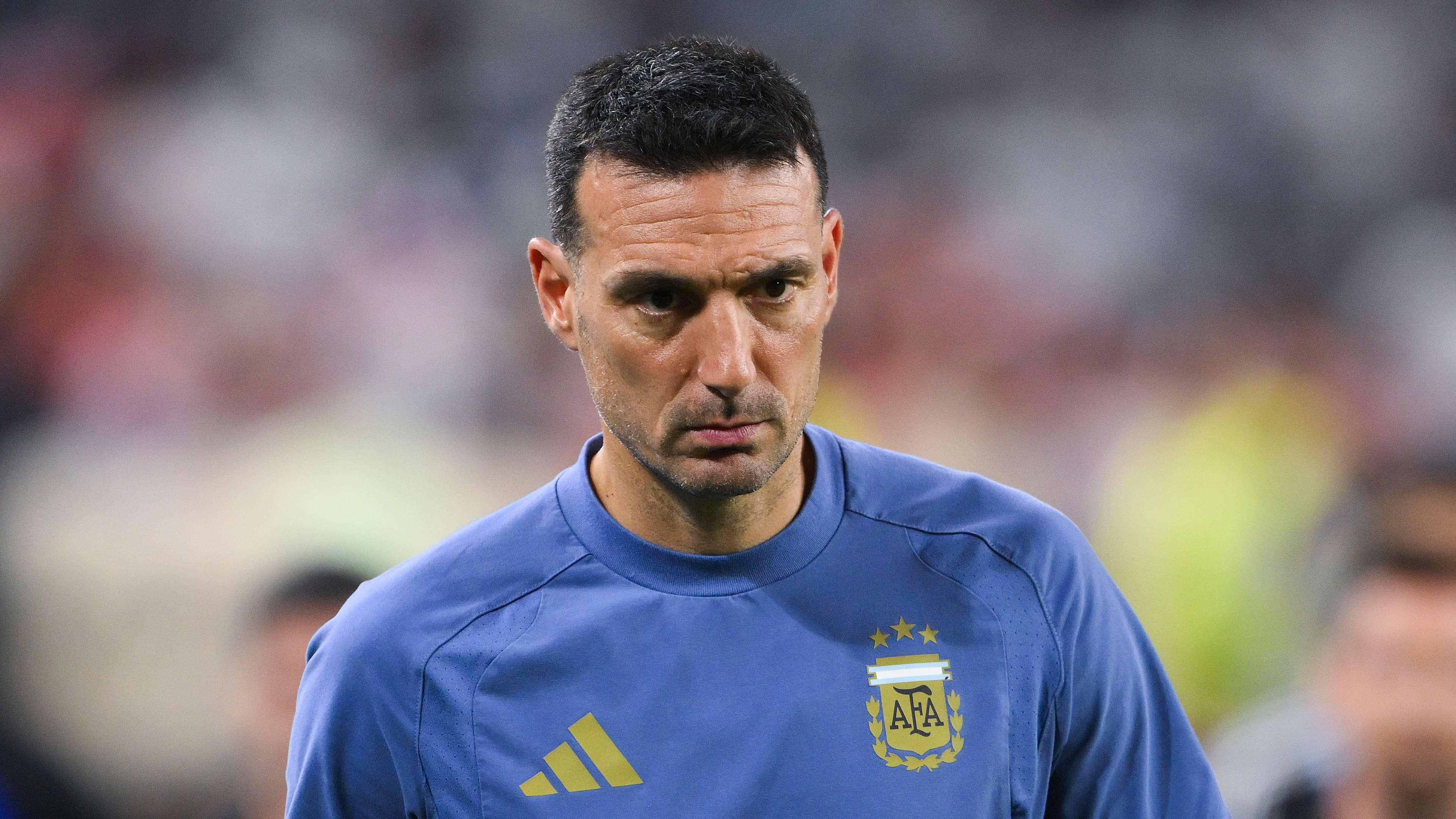
Argentina Coach Lionel Scaloni Criticizes 2026 World Cup Schedule
Argentina’s head coach, Lionel Scaloni, has expressed his dismay at the scheduling of the 2026 World Cup after his team faced a grueling extra-time match against Cape Verde. The Albiceleste boss voiced his frustration over the limited recovery time between games as the tournament reaches its crucial stages.
Argentina’s Struggle in the 2026 World Cup
After a hard-fought battle against Cape Verde in the knockout stages of the World Cup, Argentina found themselves playing extra time to secure their spot in the next round. The intense match took a toll on the players, with Scaloni highlighting the challenges his team faced due to the tight match schedule.
Scaloni criticized the organizers for not allowing enough time for teams to recover between matches, especially in the latter stages of the tournament. The lack of adequate rest and preparation, according to Scaloni, could impact the performance and overall well-being of the players.
The Impact of the Intense Schedule
The demanding schedule of the 2026 World Cup has raised concerns among coaches and players alike. With matches coming thick and fast, teams are finding it challenging to maintain peak performance levels and avoid injuries.
Scaloni’s comments shed light on the physical and mental toll that the packed schedule is taking on the players. As the competition heats up, the pressure to perform at their best with limited recovery time is becoming increasingly challenging for teams like Argentina.
The Need for Changes in Future Tournaments
Scaloni’s criticism of the World Cup schedule has sparked a debate on the need for changes in how major international tournaments are organized. Many believe that allowing more time between matches could not only benefit the players but also enhance the quality of the games.
As the 2026 World Cup progresses, the issue of scheduling and player welfare is likely to remain a topic of discussion among coaches, players, and fans. Scaloni’s comments have brought attention to the challenges faced by teams in high-stakes competitions and the importance of prioritizing player health and well-being.
Looking Ahead
As Argentina advances in the 2026 World Cup, Scaloni and his team will have to navigate the demanding schedule and manage their players’ fitness carefully. The coach’s criticism of the current scheduling serves as a reminder of the need to prioritize player welfare in future tournaments.
With the tournament reaching its climax, all eyes will be on Argentina and how they cope with the challenges posed by the intense schedule. Scaloni’s outspoken remarks have highlighted the complexities of managing a team in a high-pressure competition like the World Cup.
As the football news continues to unfold, it remains to be seen how the organizers will address the concerns raised by Scaloni and other coaches. The debate over scheduling and player welfare is likely to shape the future of major international tournaments, ensuring that the well-being of players remains a top priority.
Player Fatigue and Injury Risks
One of the major concerns arising from the tight schedule of the 2026 World Cup is the increased risk of player fatigue and injuries. With teams playing matches in quick succession, there is limited time for players to recover both physically and mentally. This can lead to a higher chance of injuries, impacting not only the performance of the players but also the overall quality of the games.
Scaloni’s criticism highlights the importance of allowing sufficient rest periods between matches to reduce the strain on players’ bodies. Without adequate recovery time, the risk of players sustaining injuries due to fatigue or overexertion significantly increases, affecting their ability to perform at their best on the field.
The Psychological Impact on Players
In addition to the physical demands, the intense schedule of the World Cup can also take a toll on the mental well-being of the players. The pressure to deliver results in high-stakes matches combined with limited recovery time can lead to increased stress and anxiety among the players.
Managing the psychological aspects of competing in a major tournament is crucial for teams like Argentina. As they progress through the World Cup, the mental resilience and focus of the players will be put to the test, with the demanding schedule adding an extra layer of challenge to their performance on the pitch.
The Role of Coaching and Support Staff
In light of the concerns raised by Scaloni and other coaches, the role of coaching staff and support teams becomes crucial in managing the well-being of the players during the World Cup. Coaches need to carefully monitor the fitness levels of their squad, rotate players effectively, and provide adequate recovery strategies to ensure optimal performance.
Support staff such as physiotherapists, sports scientists, and psychologists play a vital role in helping players cope with the demands of the tournament. Their expertise and guidance can help reduce the risk of injuries, enhance recovery, and support the players both physically and mentally throughout the competition.
The Future of Tournament Scheduling
Scaloni’s criticism of the 2026 World Cup schedule serves as a catalyst for discussions about the future of tournament scheduling in international football. There is a growing consensus among coaches, players, and fans that changes are needed to prioritize player welfare and create a more balanced and sustainable competition format.
Looking ahead, it is essential for organizers to consider the feedback from coaches like Scaloni and explore ways to improve the scheduling of major tournaments. By incorporating more rest days, reducing travel distances, and implementing player-friendly match schedules, future competitions can ensure that players are able to perform at their peak while safeguarding their health and well-being.
Conclusion
As the 2026 World Cup unfolds, the challenges posed by the intense schedule continue to be a topic of debate and reflection within the football community. Scaloni’s critique has brought attention to the importance of balancing the competitive demands of the tournament with the well-being of the players.
Moving forward, it is essential for stakeholders in international football to work together to address the concerns raised by coaches and prioritize the health and welfare of the players. By considering the impact of scheduling on player performance, injury risks, and mental well-being, future tournaments can strive to create a more sustainable and player-centric environment for the world’s top footballers.