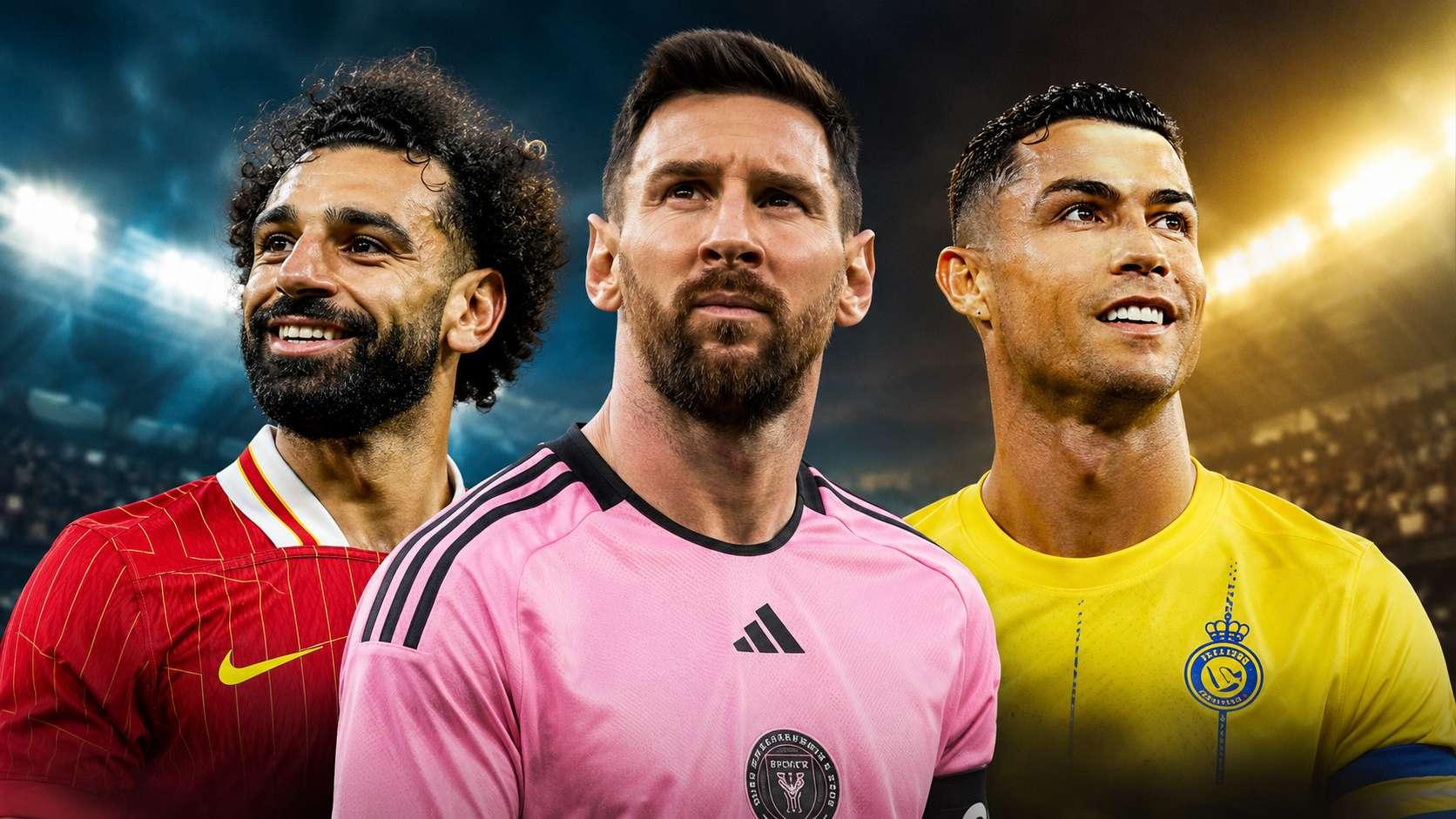
Fans’ Changing Loyalties in Football: Stars vs. Clubs
In the world of football, a new trend is emerging where fans are developing stronger attachments to individual players rather than the clubs they represent. This shift in loyalty has sparked debates among football enthusiasts and experts, raising questions about the traditional fan-club relationship.
The Messi Effect: A Case Study
A prime example of this phenomenon is the recent transfer of Lionel Messi to Inter Miami. The Argentine superstar’s move to the Major League Soccer (MLS) club caused a frenzy among football fans worldwide. Despite Inter Miami being a relatively new club in the league, Messi’s arrival brought unprecedented attention and excitement.
The impact of Messi’s transfer was not limited to Inter Miami’s performance on the pitch. The club experienced a surge in social media followers, sold out merchandise, and a significant increase in match ticket prices. What is particularly noteworthy is that many of the new fans who flocked to Inter Miami were not driven by loyalty to the club itself or any connection to the city, but rather by their admiration for Messi.
Fan-Player Connection: A Changing Landscape
This shift in fan behavior raises important questions about the evolving nature of fandom in football. In the past, supporters were known to form strong emotional connections with their clubs, often transcending generations. The club’s crest was a symbol of identity and pride, representing a shared history and community.
However, in today’s era of globalized football and superstar players, the dynamics of fan loyalty are changing. With social media and digital platforms providing unprecedented access to players’ lives on and off the pitch, fans are forming direct connections with their favorite stars. This personal connection often supersedes allegiance to a particular club, leading to a shift in fan loyalties.
The Impact on Football Clubs
As fans increasingly prioritize individual players over clubs, football clubs are facing new challenges in maintaining fan engagement and loyalty. Clubs must navigate this changing landscape by leveraging the star power of players to attract and retain fans. Marketing strategies that focus on promoting star players and creating personalized fan experiences are becoming essential in the modern football industry.
While the traditional bond between fans and clubs remains strong in many cases, the rise of player-centric fandom presents both opportunities and challenges for football clubs worldwide. Balancing the promotion of star players with nurturing a sense of club identity and history is crucial for clubs aiming to thrive in an era where fan loyalty is increasingly fragmented.
Looking Ahead
As football continues to evolve and adapt to changing fan preferences, the debate surrounding fan loyalty to clubs versus players is likely to intensify. The Messi effect on Inter Miami serves as a compelling case study of the shifting dynamics in modern football fandom. Whether this trend will continue to grow or if clubs will find new ways to re-engage fans remains to be seen. One thing is certain: the relationship between fans, clubs, and players in football is undergoing a transformative period.
The Rise of Player Power in Football
In recent years, the power dynamics in football have shifted significantly towards the players. With social media amplifying their influence and reach, football stars have become brands in themselves, with massive followings and endorsement deals that rival those of some clubs. Players like Cristiano Ronaldo, Neymar, and Kylian Mbappé have millions of followers on social media platforms, allowing them to connect directly with fans and shape their own narratives.
This rise of player power has led to a more individualistic approach to fandom, where fans are drawn to the personality and talent of specific players rather than the collective identity of a club. The cult of personality surrounding certain players has become a driving force in the modern football landscape, with fans eagerly following their every move on and off the pitch.
The Globalization of Football Fandom
Another factor contributing to the changing loyalties in football is the globalization of the sport. With matches broadcasted worldwide and players hailing from diverse backgrounds, fans are no longer limited by geographical boundaries when choosing their favorite teams or players. This globalization has opened up new avenues for fans to connect with the sport and has allowed for a more diverse fanbase than ever before.
As a result, fans are more likely to gravitate towards players who resonate with them on a personal level, regardless of the club they play for. This shift towards individual player loyalty has implications for clubs seeking to expand their fan base and engage with a global audience.
The Role of Clubs in Nurturing Fan Loyalty
While the focus on individual players is undeniable, football clubs still play a vital role in fostering fan loyalty and creating a sense of community. Clubs must strike a balance between promoting their star players and upholding their traditions and values to maintain a strong connection with supporters.
By investing in youth academies, community outreach programs, and initiatives that celebrate the club’s history, clubs can cultivate a sense of belonging among fans that goes beyond individual players. Building a strong foundation of loyal supporters who are committed to the club’s long-term success is essential for clubs looking to weather the changing tides of modern football fandom.
Adapting to the New Normal
As the football landscape continues to evolve, clubs, players, and fans alike must adapt to the new realities of the sport. Embracing the influence of star players while honoring the traditions and heritage of football clubs will be key to navigating the shifting dynamics of fan loyalty.
Ultimately, the relationship between fans, clubs, and players in football is a delicate balance that requires constant attention and innovation. By understanding the changing preferences of fans and leveraging the power of individual players, football clubs can thrive in an era where loyalty is no longer solely tied to the badge on the jersey, but also to the name on the back.