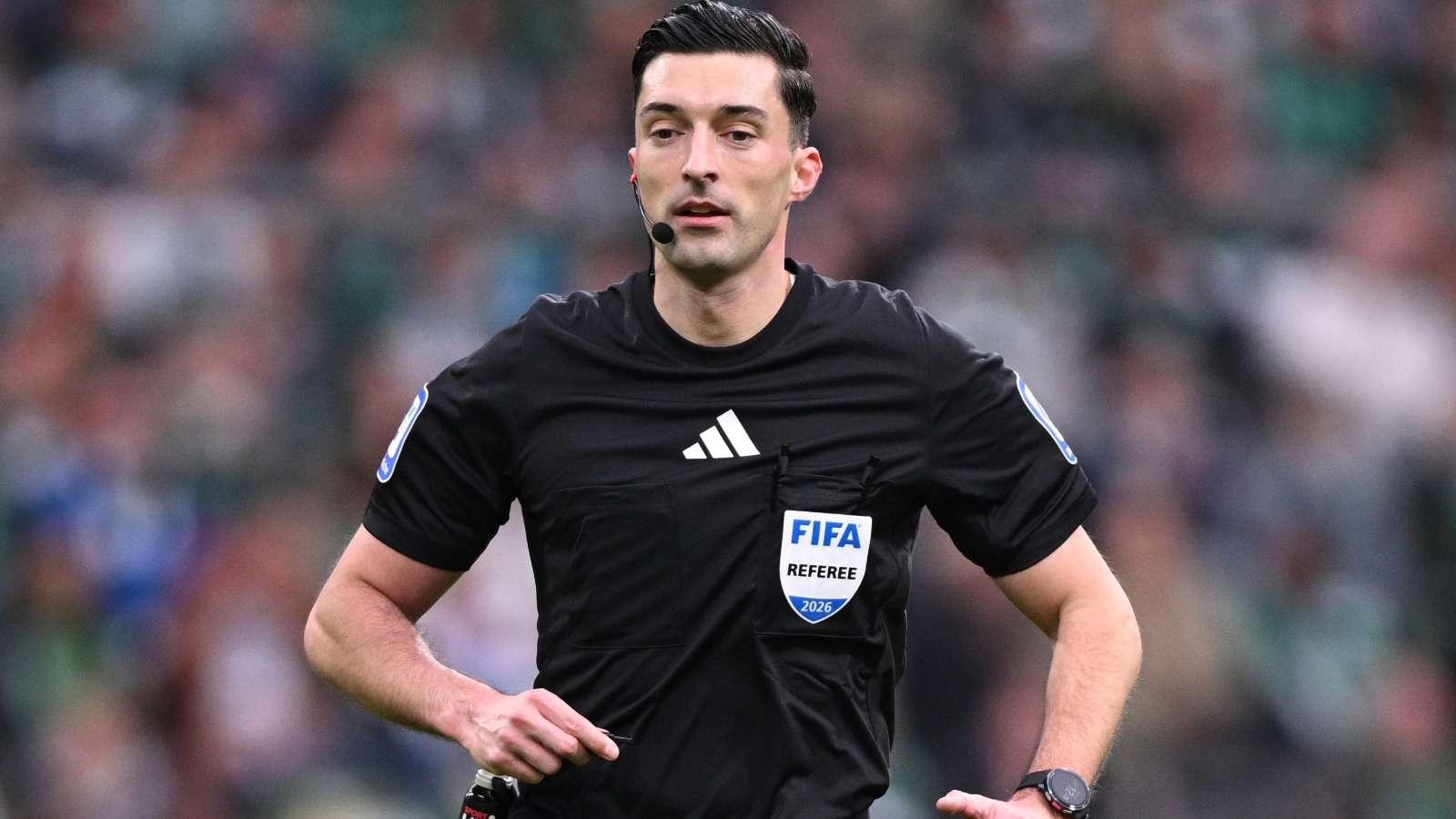
St. Pauli Manager Alexander Blessin Fined for Outburst at Referee
The world of football has been buzzing with news of St. Pauli manager Alexander Blessin being hit with a hefty fine following his outburst at referee Florian Badstübner. The incident has sparked controversy and raised questions about the conduct of football managers on the sidelines.
Consequences of Criticism
The fierce criticism of referee Florian Badstübner during a Bundesliga match has led to significant consequences for St. Pauli manager Alexander Blessin. The German Football Association’s (DFB) sports tribunal has fined Blessin €10,000 for what they deemed as “unsporting behaviour”. The DFB announced the ruling on Wednesday, stating that “the ruling is final”.
It is not uncommon for football managers to express their frustration with referees during matches, but the incident involving Blessin has drawn particular attention due to the severity of the fine imposed by the DFB. The incident serves as a reminder to all football stakeholders about the importance of maintaining respectful behavior on and off the field.
Reactions and Ramifications
The news of Blessin’s fine has sparked mixed reactions within the football community. While some have criticized the DFB for what they perceive as a harsh penalty, others have commended the association for taking a strong stance against unsportsmanlike conduct.
St. Pauli fans have expressed their support for Blessin, praising his passion for the game and his dedication to the team. However, there are also voices calling for greater accountability among football managers, emphasizing the need for professionalism and respect in all interactions with match officials.
Lessons Learned
The incident involving Blessin serves as a valuable lesson for football managers and players alike. It highlights the consequences of letting emotions dictate behavior on the field and underscores the importance of maintaining composure in high-pressure situations.
Moving forward, it is crucial for all stakeholders in football to prioritize sportsmanship and fair play. By fostering a culture of respect and accountability, the sport can continue to thrive and inspire fans around the world.
Looking Ahead
As the football world processes the news of Blessin’s fine, discussions about referee-manager interactions and the role of discipline in the sport are likely to continue. The incident has opened up important conversations about the expectations placed on football managers and the standards of conduct that should be upheld.
Ultimately, the incident serves as a reminder that football is not just a game of skill and strategy, but also a test of character and integrity. By learning from past mistakes and striving for excellence both on and off the field, football can continue to captivate audiences and unite communities around the world.
Implications of Blessin’s Fine
The fine imposed on St. Pauli manager Alexander Blessin has far-reaching implications for the world of football. It sends a clear message that unsporting behavior and public outbursts towards match officials will not be tolerated. The German Football Association’s decisive action sets a precedent for holding football managers accountable for their actions on the sidelines.
With the increasing scrutiny on the conduct of football managers, there is a growing need for better communication and conflict resolution strategies in the sport. Coaches and referees play crucial roles in shaping the overall dynamics of a match, and maintaining mutual respect is essential for the integrity of the game.
The Role of Emotions in Football
Football is a sport fueled by passion and emotions, with high stakes and intense competition often leading to heated moments on the field. While it is natural for managers and players to feel strongly about the game, finding constructive ways to channel these emotions is key to maintaining professionalism and sportsmanship.
Emotional intelligence and self-control are essential qualities for football stakeholders, allowing them to navigate challenging situations with grace and dignity. By promoting emotional regulation and conflict resolution skills, football organizations can foster a culture of mutual respect and fair play among all participants.
Promoting Fair Play in Football
The incident involving Alexander Blessin serves as a reminder of the importance of upholding fair play values in football. Respect for the rules, opponents, and match officials is fundamental to the spirit of the game. By promoting fair play principles, football can reinforce its position as a symbol of unity and sportsmanship.
Football governing bodies and clubs have a responsibility to educate and empower their members to uphold fair play standards both on and off the field. By instilling a culture of respect and integrity, the sport can transcend borders and inspire future generations of players, coaches, and fans.
Reflecting on Managerial Conduct
The incident involving Blessin prompts reflection on the expectations placed on football managers in today’s game. As leaders and role models, managers are held to high standards of conduct and sportsmanship. Their behavior sets the tone for the team and influences the overall atmosphere of the match.
Managers must strive to lead by example, demonstrating professionalism, composure, and respect for the game at all times. By embodying these qualities, managers can inspire their players and fans while upholding the values of football as a noble and honorable sport.
Conclusion
In conclusion, the news of St. Pauli manager Alexander Blessin’s fine for his outburst at referee Florian Badstübner has ignited discussions about sportsmanship, professionalism, and the role of emotions in football. The incident serves as a reminder of the need for mutual respect and accountability in the sport, emphasizing the importance of upholding fair play values.
As football continues to evolve, it is essential for all stakeholders to prioritize integrity, discipline, and respect in their interactions both on and off the field. By learning from past incidents and committing to a culture of sportsmanship, football can continue to thrive as a sport that unites individuals and communities worldwide.