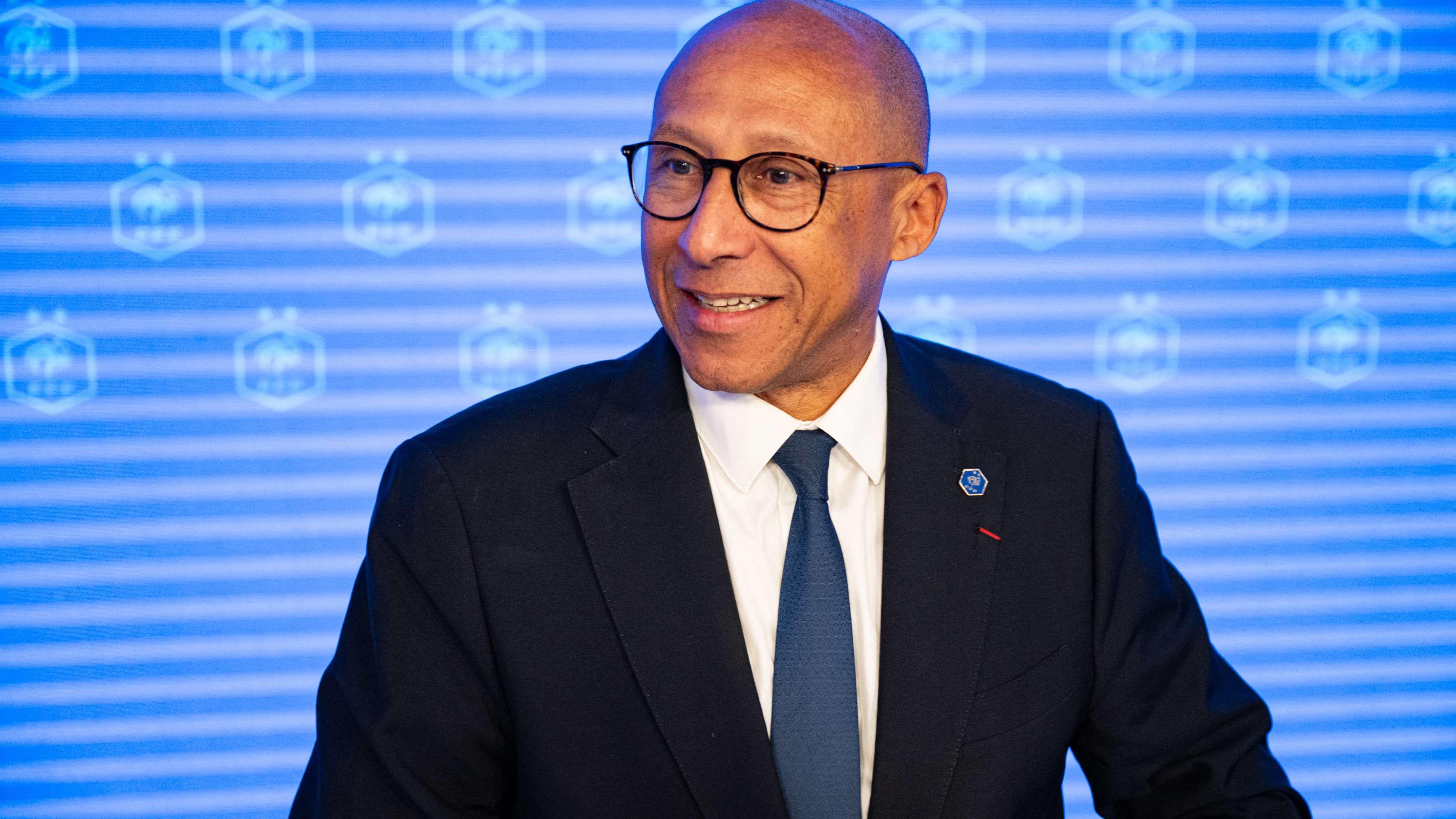
French Football Federation President Criticizes FIFA President’s Project
The president of the French Football Federation, Philippe Diallo, has expressed his concerns and criticisms regarding FIFA president Gianni Infantino’s project to sell shares of the World Cup to private investment funds. This move has sparked widespread criticism in European football circles, with Diallo raising questions about the future of the tournament and the governance of world football.
Discovery of the Project
According to reports from the French newspaper “L’Équipe,” Diallo, like many others in the football world, was taken by surprise upon learning about Infantino’s project through the media without any prior warning. The lack of transparency and communication surrounding the project has left many stakeholders, including the French Federation, with uncertainties and fears about the implications of such a decision.
Concerns Raised by Diallo
Expressing his worries about the project, Diallo emphasized the lack of information regarding its philosophy, necessity, financial structure, and funding sources. He highlighted the significance of the World Cup as a fundamental asset in football and voiced his concerns over the potential impact of involving private investment funds in such a prestigious tournament.
Diallo stated, “This project is worrying because it lacks detail and touches on one of football’s fundamental assets, the World Cup, the biggest sporting competition in the world.”
Call for Transparency and Accountability
Addressing the upcoming FIFA presidential elections in March 2027, where Infantino is expected to run uncontested, Diallo stressed the need for clarity, democracy, and transparency in the governing body. He mentioned that several countries, including Africa and Asia, have announced their support for Infantino, raising questions about the current level of accountability and relationship with FIFA.
Diallo emphasized the importance of building a rigorous relationship with FIFA and ensuring that all decisions are made with transparency and accountability. He highlighted the need for a review of FIFA’s governance structure to align it with the values and principles that football represents.
Global Concerns and Reflections
While acknowledging Europe’s legitimate voice in expressing concerns over the project, Diallo also pointed out that the CONCACAF confederation and other regions are questioning the new initiative. He emphasized the importance of all confederations coming together to address the governance issues within FIFA and ensure that the interests of football stakeholders are protected.
Reflecting on Europe’s success in the last World Cup, Diallo highlighted the continent’s values and principles in football, emphasizing the need for all confederations to share and uphold these values for the betterment of the sport.
As the football world waits for more information and clarity on Infantino’s project, stakeholders like Diallo continue to advocate for transparency, accountability, and the preservation of the integrity of the World Cup and the sport of football as a whole.
Impact on Football Governance
Infantino’s project to involve private investment funds in the World Cup raises broader questions about the governance of football at the international level. The move towards commercializing such a prestigious tournament has raised concerns about the prioritization of financial gains over the integrity and values of the sport. Diallo’s criticisms echo sentiments shared by many within the football community who fear that the project could set a dangerous precedent for the future of football governance.
Historical Context of FIFA Governance
The controversy surrounding Infantino’s project also sheds light on the historical challenges faced by FIFA in terms of governance and transparency. The organization has been marred by corruption scandals in the past, leading to a loss of trust among fans, players, and officials. Diallo’s call for accountability and democratic processes within FIFA reflects a broader need for reform and reevaluation of the governing structures within international football.
Financial Implications for the World Cup
One of the key concerns raised by Diallo is the potential financial implications of involving private investment funds in the World Cup. While the project may promise increased revenue streams for FIFA, there is a fear that commercial interests could overshadow the true spirit of the tournament. Diallo’s emphasis on the importance of preserving the World Cup as a fundamental asset in football highlights the delicate balance between financial considerations and the essence of the sport itself.
Unity Among Confederations
Diallo’s comments regarding the need for all confederations to come together to address governance issues within FIFA reflect a call for unity and collaboration in safeguarding the future of international football. By highlighting the concerns raised by various regions, Diallo underscores the importance of a collective effort to ensure that the interests of football stakeholders are protected and that the sport remains true to its core values.
Looking Ahead
As the debate over Infantino’s project continues to unfold, stakeholders in the football world are closely monitoring developments and advocating for greater transparency and accountability. Diallo’s criticisms serve as a reminder of the importance of upholding the principles of fairness, integrity, and inclusivity in football governance. Ultimately, the outcome of this project could have far-reaching implications for the future of the World Cup and the sport of football as a whole.
By delving into the historical context, financial implications, and calls for unity within football governance, this expanded content offers a more comprehensive understanding of the complexities surrounding FIFA’s project and the broader implications for the sport.