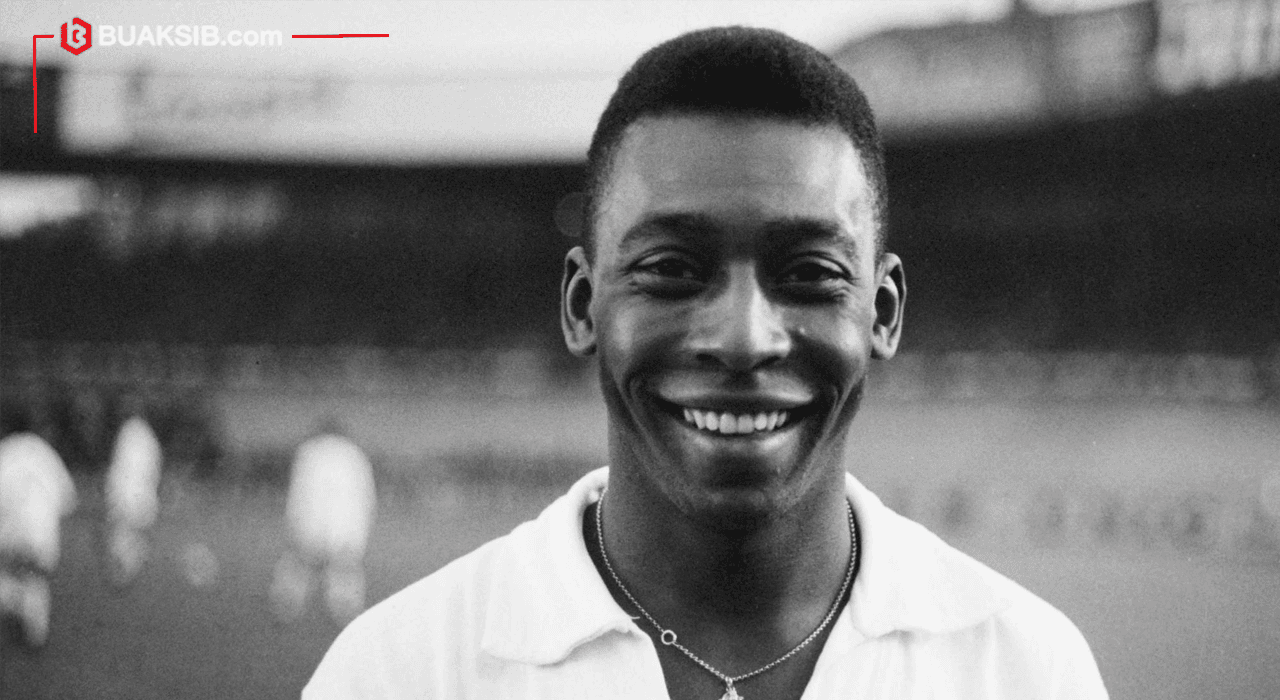
In the past, on February 4, 1969, when Pele achieved an immediate ceasefire in the Nigerian Civil War. Also known as the Biafra War, it lasted from July 5, 1967, to January 13, 1970, and took almost a million lives.
Pelé’s talent stopped the war in Nigeria
An Instagram post on Pelé’s profile following his passing away on Thursday cited one of the more obscure stories from the Brazilian legend’s life. In the past, on February 4, 1969, when Pele achieved an immediate ceasefire in the Nigerian Civil War. Also known as the Biafra War, it lasted from July 5, 1967, to January 13, 1970, and took almost a million lives. At the height of this period, the Brazilian football team Santos landed in Benin City to face the Central West State side. “The lights in the city weren’t on at night,” former Santos player Edu told reporters. “Only the hotel and the houses were lit. I remember I asked the hotel manager why and he told me it was to avoid enemy bombings.”
For 72 hours, football was more important than war
Pele’s former teammate Ramos Delgado reflected that the war had stopped for the game to move forward. “Pele’s strength was incredible,” Ramos Delgado said. “I remember when we went to Nigeria, and that country was at war, and the soldiers stopped the war one day so ‘Santos’ could play.” The American TIME magazine reported back in 2005 that the Nigerian government and the Republic of Biafra had adopted a three-day ceasefire. “Although diplomats and emissaries tried in vain for two years to stop the fighting in Africa’s bloodiest civil war, the arrival of Brazilian football legend Pele in Nigeria in 1969 brought about a three-day ceasefire,” TIME said in a story. “Both the government and the breakaway republic of Biafra accepted a truce to allow his squad, Santos, to play two exhibition games against local teams. For 72 hours, football was more important than war.”

Football was a tool for good for Pelé
Two years ago, Pele posted on Twitter to cite the ceasefire during the Nigerian civil war as one of his “greatest prides”. “I learned as a child, with my father Dondinho, that football is a tool for good,” Pelé wrote. “He taught me this lesson when he saw me needlessly dribble a weaker opponent and asked me always to respect my opponents. I took it for life, always using my talent for love and peace. I always tried to send this message; as a football player and as a man, one of my greatest prides was to stop the war in Nigeria in 1969 on one of the many football tours that Santos did around the world.”
“We were asked to play a friendly game at Benin City in the middle of the civil war, but Santos was so loved that they agreed to a ceasefire on the day of the match, which became known as the day ‘Santos stopped the war’. I have always tried to send this message as a footballer and as a man. one of my greatest accolades was to stop the war in Nigeria in 1969, on one of the many football tours that Santos has done around the world.”