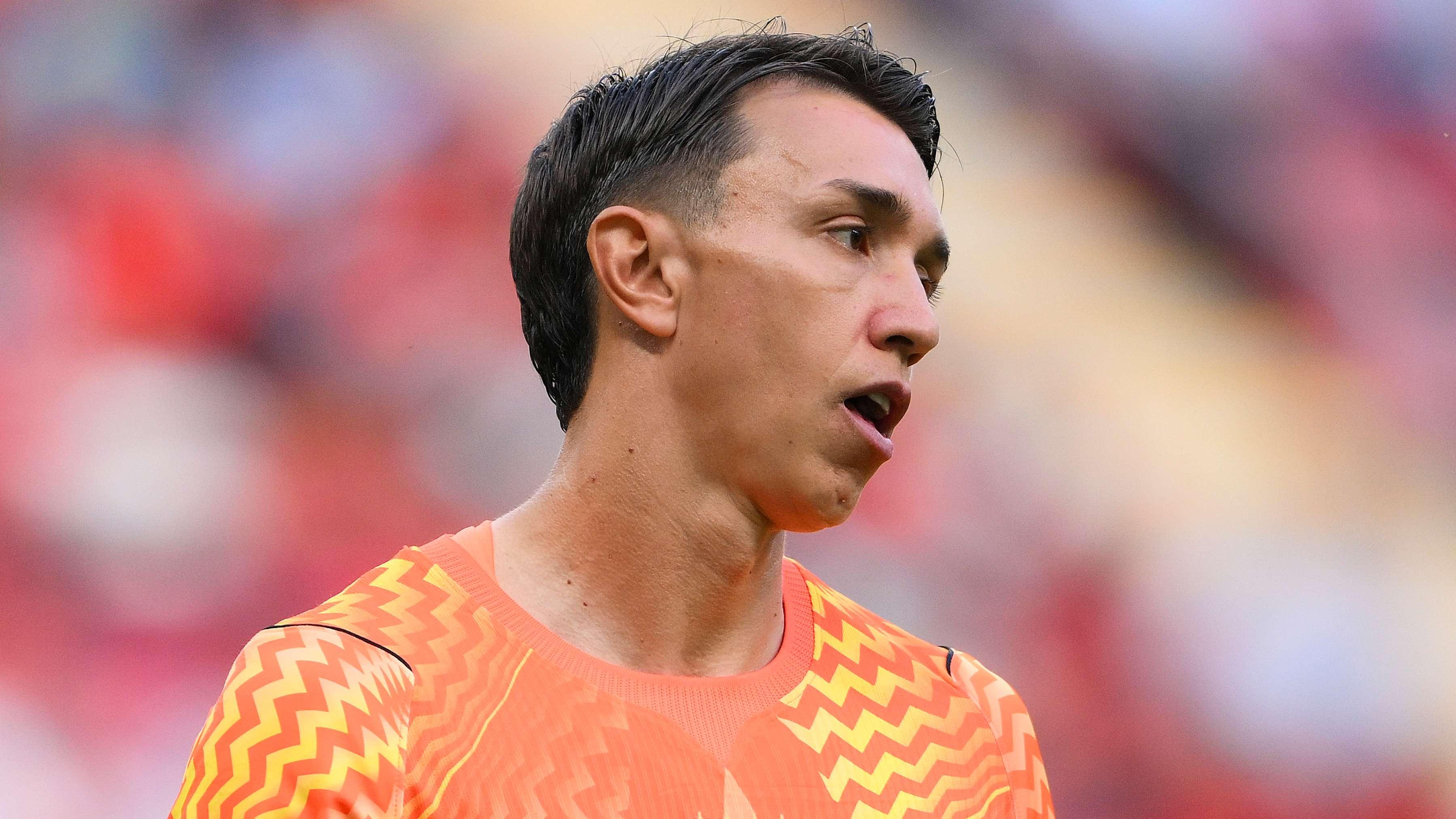
Uruguay’s World Cup Dream Ends with Muslera’s Self-Substitution
The hopes of Uruguay in the World Cup were dashed when veteran goalkeeper Fernando Muslera made a controversial decision to request a substitution at half-time during their match against Spain. The self-substitution came after Muslera’s error led to Spain’s winning goal by Alex Baena, resulting in a 1-0 defeat for Uruguay.
Muslera Takes Responsibility for Uruguay’s Exit
In a surprising turn of events, Muslera took full responsibility for Uruguay’s World Cup exit, admitting that his mistake ultimately cost the team their spot in the tournament. The decision to request a substitution at half-time was a rare and bold move from the experienced goalkeeper, showing his accountability for the error that led to Spain’s victory.
Uruguay’s head coach, Marcelo Bielsa, confirmed that Muslera made the decision himself, highlighting the goalkeeper’s humility and willingness to own up to his mistake. Bielsa supported Muslera’s choice and praised him for taking responsibility in such a crucial moment for the team.
Impact of Muslera’s Decision on Uruguay
The self-substitution of Muslera has sparked discussions among football fans and analysts, with many questioning the impact of his decision on Uruguay’s overall performance in the World Cup. Some argue that Muslera’s error and subsequent substitution disrupted the team’s momentum and confidence, ultimately leading to their defeat against Spain.
Despite the disappointing outcome, Muslera’s decision to take responsibility for his mistake has been applauded by many in the football community. His humility and accountability have set an example for other players, emphasizing the importance of owning up to one’s errors and striving for improvement.
Lessons Learned for Uruguay
Uruguay’s World Cup exit serves as a learning opportunity for the team, highlighting the importance of mental resilience and team unity in high-stakes tournaments. The incident involving Muslera’s self-substitution underscores the impact of individual errors on the collective performance of the team, emphasizing the need for accountability and self-reflection in moments of defeat.
As Uruguay reflects on their World Cup journey, they can draw valuable lessons from Muslera’s decision to take responsibility for his mistake. The team can use this experience to strengthen their resolve and cohesion, ensuring that they emerge stronger and more focused in future competitions.
Looking Ahead
Despite the disappointment of their World Cup exit, Uruguay remains a formidable force in international football, with a rich history and talented players. As they regroup and prepare for future challenges, the team can use this setback as motivation to work harder and strive for success in upcoming tournaments.
Uruguay’s journey in the World Cup may have ended prematurely, but the lessons learned from Muslera’s self-substitution will serve as a valuable reminder of the importance of accountability and unity in the pursuit of football excellence.
Impact of Muslera’s Decision on Team Dynamics
While Muslera’s self-substitution may have been a bold and commendable move in terms of taking responsibility for his mistake, it undoubtedly had an impact on the overall dynamics within the Uruguay team. The sudden change in goalkeepers at such a critical moment in the match could have unsettled the players and affected their confidence on the field.
This incident highlights the delicate balance between individual accountability and team cohesion in football. While it is important for players to own up to their errors, it is equally crucial for the team to maintain a sense of unity and focus, especially in high-pressure situations like the World Cup.
The Role of Leadership in Adversity
Muslera’s decision to self-substitute also sheds light on the role of leadership in times of adversity. As a veteran player and goalkeeper, Muslera’s actions not only showcased his humility but also set an example for his teammates in terms of taking ownership of mistakes and showing resilience in the face of defeat.
Leadership on the football field goes beyond just scoring goals or making saves; it also involves guiding and inspiring teammates through challenges and setbacks. Muslera’s willingness to take responsibility for his error demonstrates the qualities of a true leader, someone who puts the team’s interests above their own.
Learning from Defeat
While Uruguay’s World Cup journey may have ended sooner than anticipated, the team can use this experience as a valuable learning opportunity. Defeat often provides the most profound lessons in football, pushing players and coaches to reflect on their performance, identify areas for improvement, and come back stronger in future competitions.
By analyzing the events that transpired during the match against Spain, Uruguay can pinpoint the weaknesses that led to their downfall and work on addressing them in their training and preparation for upcoming tournaments. This process of self-assessment and growth is crucial for any team looking to achieve sustained success in the world of football.
Looking Ahead to Future Success
As Uruguay looks ahead to the future, they have the chance to turn this setback into a stepping stone towards greater success. With a talented squad and a resilient spirit, the team has the potential to bounce back from this disappointment and make a strong comeback in their next international campaign.
The lessons learned from Muslera’s self-substitution will serve as a reminder of the importance of accountability, unity, and leadership in the pursuit of football excellence. By applying these principles in their training and on-field performances, Uruguay can position themselves as a formidable contender in future tournaments, ready to fulfill their World Cup dream once again.
By delving deeper into the impact of Muslera’s decision on team dynamics, leadership qualities displayed in adversity, and the importance of learning from defeat, this expanded content offers a more comprehensive exploration of the implications of Uruguay’s World Cup exit.