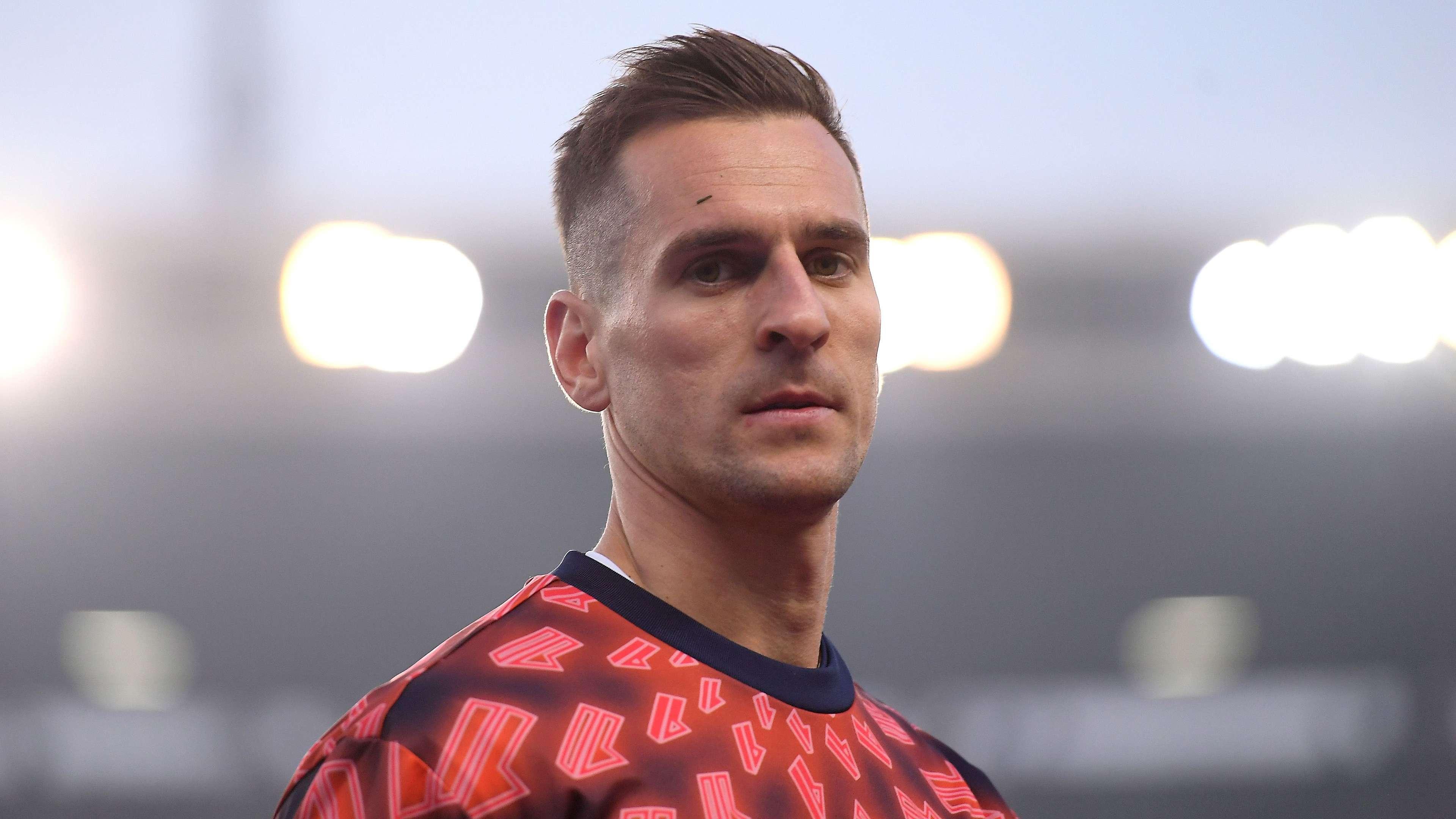
Juventus Striker Arkadiusz Milik Reveals Psychological Toll of Injury Woes
Arkadiusz Milik, the 32-year-old striker for Juventus and Poland international, recently shared the emotional struggles he has faced due to persistent injury problems. In a candid interview, Milik opened up about the severe psychological toll these setbacks have taken on him.
According to Milik, the continuous physical challenges he has endured over the years have left him mentally exhausted. He admitted that there have been heartbreaking moments where he had to abruptly stop his gym sessions just to break down in tears in the bathroom. These emotional outbursts serve as a stark reminder of the mental strain professional athletes can face when dealing with prolonged injuries.
Milik’s Journey Through Adversity
Throughout his career, Milik has been no stranger to injury setbacks. From muscle strains to more serious issues like ligament damage, the striker has had to navigate a challenging path back to full fitness multiple times. Despite his resilience and determination to overcome these obstacles, the toll on his mental health has been undeniable.
As a highly competitive athlete, Milik’s identity is closely tied to his performance on the field. The frustration of not being able to play at his best due to recurring injuries has taken a significant emotional toll on him. The pressure to recover quickly and return to peak form has only added to the psychological burden he carries.
The Importance of Mental Health in Football
Milik’s story sheds light on the often overlooked aspect of mental health in professional football. While physical injuries are a common occurrence in the sport, the impact they can have on an athlete’s mental well-being is sometimes underestimated. It is crucial for players to have access to proper support and resources to address the psychological challenges that come with being sidelined due to injury.
By sharing his struggles, Milik has sparked an important conversation about the importance of mental health awareness in football. His openness about his experiences serves as a reminder that even the most accomplished athletes can face mental health challenges and that seeking help is a sign of strength, not weakness.
Looking Ahead
Despite the emotional hurdles he has faced, Milik remains determined to overcome his injury woes and return to the pitch stronger than ever. With the support of his team, medical staff, and mental health professionals, he is working towards a full recovery both physically and mentally.
As he continues his rehabilitation journey, Milik serves as an inspiration to fellow athletes facing similar struggles. His resilience and willingness to speak out about his mental health challenges send a powerful message that it is okay to seek help and prioritize one’s well-being, even in the competitive world of professional football.
As the football community rallies around Milik in support, his story serves as a poignant reminder of the importance of mental health awareness and the need for continued efforts to destigmatize discussions around mental well-being in sports.
Arkadiusz Milik’s Impact on Mental Health Advocacy in Football
Arkadiusz Milik’s candid revelations about the psychological toll of his injury struggles have not only shed light on the challenges athletes face but have also sparked a broader conversation about mental health in football. His willingness to speak openly about his experiences has encouraged other players to prioritize their mental well-being and seek support when needed.
As the football world continues to grapple with the stigma surrounding mental health, Milik’s story serves as a powerful example of the importance of addressing these issues head-on. By sharing his journey through adversity, he has inspired a new wave of awareness and compassion within the sport.
The Role of Support Systems in Athletes’ Mental Health
Milik’s journey underscores the critical role of support systems in helping athletes navigate the emotional challenges of injuries. From team doctors to sports psychologists, having a comprehensive network of professionals can make a significant difference in an athlete’s mental well-being. These resources not only aid in physical recovery but also provide essential emotional support during difficult times.
By emphasizing the importance of mental health resources within football clubs, Milik is advocating for a more holistic approach to athlete care. Creating a culture that values mental well-being as much as physical fitness can lead to healthier, more resilient players who are better equipped to handle the demands of professional sports.
Resilience and Growth Through Adversity
While Milik’s struggles have been immense, they have also been a source of personal growth and resilience. By confronting his mental health challenges head-on, he has shown that vulnerability does not equate to weakness. Instead, it can be a pathway to strength and healing.
As he continues his journey towards recovery, Milik’s story serves as a beacon of hope for athletes facing similar battles. His willingness to share his vulnerabilities and seek help sets a powerful example for others who may be silently struggling with their mental health.
Conclusion
Arkadiusz Milik’s journey through injury setbacks and the subsequent mental health challenges has sparked a much-needed conversation about the well-being of athletes in professional football. By sharing his story, he has not only raised awareness about the psychological toll of injuries but has also encouraged a more open dialogue surrounding mental health in sports.
As he works towards returning to full fitness, Milik’s resilience and determination serve as an inspiration to players and fans alike. His willingness to confront his struggles head-on and prioritize his mental health highlights the importance of self-care and seeking support when needed. In a world where physical strength is often prioritized over emotional well-being, Milik’s story is a reminder that true strength comes from acknowledging one’s vulnerabilities and taking steps towards healing and growth.