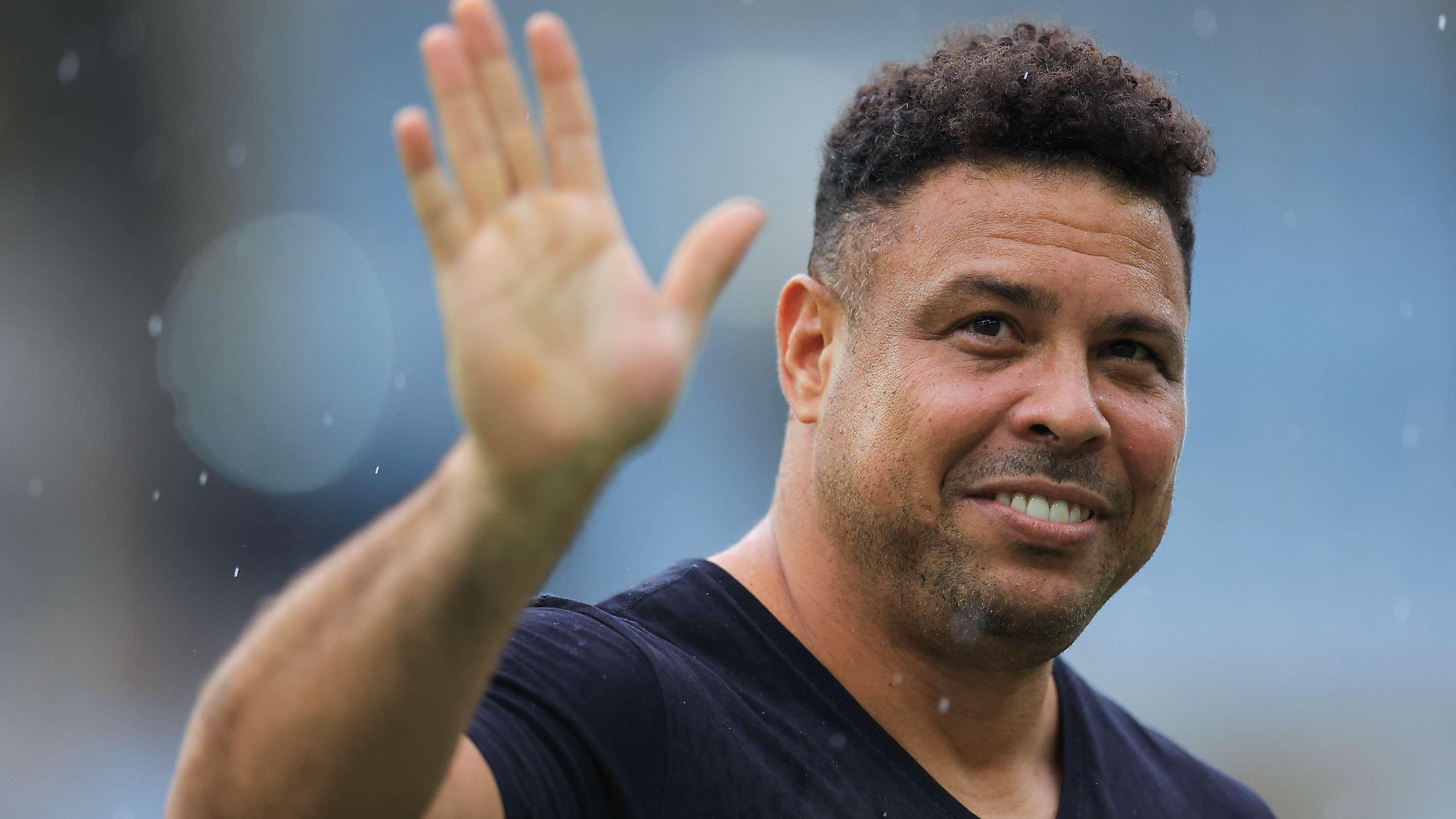
Ronaldo Criticizes Brazil’s Style of Play
Legendary Brazilian footballer, Ronaldo, recently shared his thoughts on the 2026 World Cup final where Spain emerged victorious over Argentina. The former striker, who is also known as The Phenomenon, criticized Brazil’s style of play while praising Spain’s dominant performance in the final.
Spain’s Victory Over Argentina
In a thrilling final match, Spain secured their second World Cup title by defeating Argentina with a single goal. Despite the narrow scoreline, Ronaldo pointed out the complete dominance of Luis de la Fuente’s Spanish side throughout the game. Speaking to Mundo Deportivo, Ronaldo expressed his surprise that more goals did not materialize given Spain’s total control over the match.
Ronaldo highlighted the technical superiority of Spain, noting that even the presence of Lionel Messi could not prevent them from taking charge. The former Real Madrid and Barcelona player emphasized the importance of teamwork over individual brilliance, stating that Spain’s victory showcased the power of collective effort on the field.
Teamwork Over Individual Talent
According to Ronaldo, Spain’s success in the World Cup final demonstrated that a cohesive team strategy is more effective than relying solely on individual players. He praised the champions for their unique style of play, contrasting it with Brazil’s “outdated game.” Ronaldo commended Spain for their ability to maintain possession and control the game, describing their football as beautiful and effective.
Ronaldo’s verdict on Spain’s performance was clear – “Maintaining possession of the ball is the best strategy, and they did it impressively.” He believes that Spain has set the global standard for team football by prioritizing ball possession and teamwork throughout the tournament.
Looking Ahead
As football fans reflect on the 2026 World Cup final, Ronaldo’s insights into Spain’s victory and Brazil’s playing style spark discussions about the future of the sport. The debate between individual talent and teamwork continues to be a central theme in football, with Spain’s success serving as a compelling example of the power of collaboration on the field.
With Ronaldo’s comments shedding light on the evolving dynamics of modern football, the upcoming tournaments are sure to see teams reevaluating their strategies and emphasizing the importance of collective effort and possession play. As fans eagerly await the next World Cup, the legacy of Spain’s triumph and Ronaldo’s analysis will undoubtedly shape the future of the sport.
As football enthusiasts around the world digest Ronaldo’s perspective on the 2026 World Cup final, the debate between individual talent and teamwork continues to shape the narrative of the sport. Spain’s victory has not only secured their place in football history but has also sparked discussions on the optimal playing style for success on the global stage.
The Evolution of Football Tactics
Ronaldo’s critique of Brazil’s style of play and praise for Spain’s teamwork reflect the ongoing evolution of football tactics. In the past, the sport was often characterized by individual brilliance and star players who could single-handedly change the course of a game. However, as the game has progressed, there has been a shift towards a more collective approach, with teams focusing on possession, pressing, and coordinated movements on the field.
Spain’s victory in the 2026 World Cup final highlights the effectiveness of this modern style of play. By prioritizing ball possession and teamwork, they were able to outmaneuver opponents and control the flow of the game. This emphasis on strategy and coordination over individual talent marks a significant departure from traditional football ideologies.
The Influence of Tiki-Taka
Spain’s success can be attributed in part to their adoption of the tiki-taka playing style, characterized by quick, short passing and maintaining possession. Coined during Spain’s dominance in international football from 2008 to 2012, tiki-taka has become synonymous with the Spanish national team’s approach to the game. This possession-based strategy relies on collective effort, intricate passing patterns, and high pressure to control matches.
Ronaldo’s comments on Spain’s victory underscore the impact of tiki-taka on modern football tactics. By emphasizing teamwork and ball retention, Spain has not only achieved success on the international stage but has also influenced how other teams approach the game. The legacy of tiki-taka continues to shape the way football is played at both the club and national levels.
The Rise of Tactical Innovation
As football becomes increasingly tactical and data-driven, coaches and players are constantly seeking new ways to gain an edge on the competition. Spain’s triumph in the 2026 World Cup final serves as a testament to the importance of strategic innovation in the modern game. By adapting their playing style to emphasize possession and teamwork, they were able to overcome formidable opponents and claim the ultimate prize in football.
This emphasis on tactical innovation extends beyond Spain’s success and underscores a broader trend in football towards experimentation and adaptation. Teams are constantly refining their tactics, analyzing data, and exploring new approaches to the game in search of competitive advantage. Ronaldo’s critique of Brazil’s style of play highlights the need for teams to evolve with the changing landscape of football in order to remain competitive at the highest level.
Conclusion
As the football world reflects on Ronaldo’s insights into the 2026 World Cup final, it becomes clear that the sport is in a state of continuous evolution. The balance between individual talent and teamwork, the influence of tactical innovations like tiki-taka, and the importance of strategic adaptation all shape the way football is played and perceived today.
With Spain’s victory and Ronaldo’s analysis as guiding lights, football teams and fans alike are poised to embrace the ever-changing nature of the game. As the sport moves forward, the lessons learned from the 2026 World Cup final will serve as a foundation for future success and inspire a new generation of players, coaches, and fans to push the boundaries of what is possible on the football pitch.