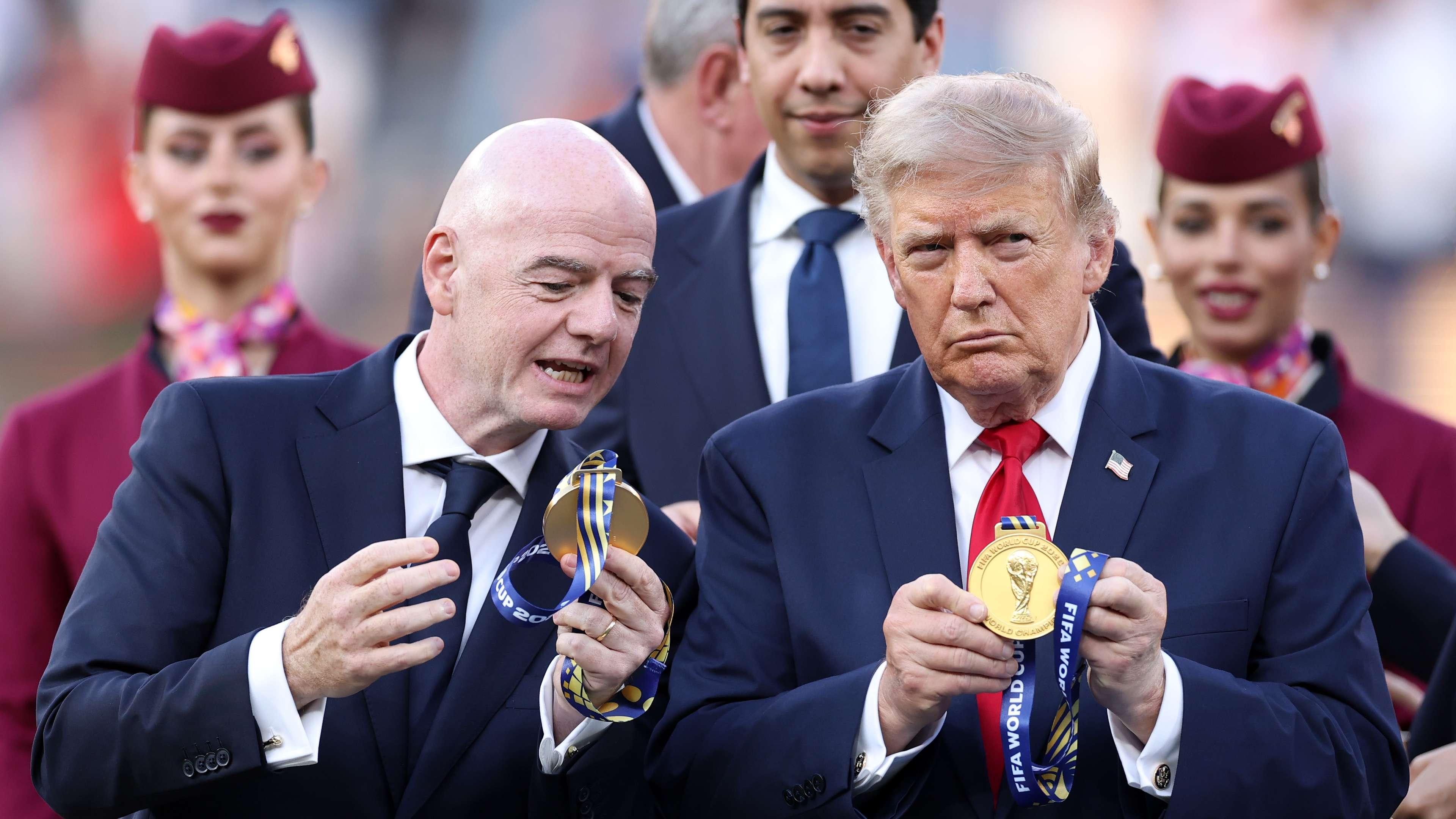
European Football in Turmoil Over FIFA’s World Cup Proposal
European football is in a state of uproar following FIFA’s controversial proposal to restructure how it manages its tournaments, particularly the prestigious World Cup. The outrage among fans and football associations shows no signs of abating, with England leading the charge against the proposed changes.
UEFA’s Emergency Meeting
Reports suggest that UEFA is gearing up to convene an emergency meeting to address FIFA President Gianni Infantino’s proposal, which includes establishing a private company, “FIFA Forward Enterprise,” to oversee the operational management of FIFA’s tournaments. This move has sparked widespread concern and backlash within the European football community.
The English Football Association has been at the forefront of the opposition, expressing deep concerns over the lack of transparency and governance in the presentation of the project. The sentiment of rejection is spreading across Europe, with mounting pressure on FIFA to reconsider its plans.
FIFA’s Controversial Plan
Under FIFA’s proposal, the organization aims to create a company to manage its tournaments, including the World Cup and the Club World Cup. This new entity, in which FIFA would retain a majority stake, would potentially involve outside investors, offering them shares in the company. The project also includes financial incentives for member associations that approve the plan within a specified timeframe.
Infantino’s vision to hold the World Cup every two years with an expanded format of 64 teams has faced sharp criticism from fans and football figures alike. American businessman Joshua Kushner’s potential involvement in the project has only added fuel to the fire, given his ties to the Trump family.
Outrage Among Fans and Officials
England fans have been vocal in their opposition to FIFA’s proposal, with many expressing their outrage at what they see as FIFA prioritizing profit over the integrity of the game. Supporters believe that the essence of the World Cup, held once every four years, would be compromised by the proposed changes.
Former English Football Association president David Bernstein has called the proposal “appalling” and urged England to withdraw from the World Cup if the plan goes ahead. The sentiment of discontent extends beyond England, with UEFA criticizing FIFA for attempting to exploit football for financial gain.
Call for Transparency and Accountability
While some football associations see potential benefits in FIFA’s plan, there is a growing consensus that the future of football is at stake. Calls for transparency, accountability, and the preservation of the sport’s core values have been echoed by supporters, officials, and governing bodies alike.
As European football remains divided over FIFA’s proposal, the debate intensifies, with concerns about the commercialization and potential corruption surrounding the proposed changes. The need for a thorough review and open dialogue between FIFA, UEFA, and member associations is paramount to address the growing discontent within the football community.
Ultimately, the fate of the World Cup and the future of football itself hang in the balance as stakeholders navigate through this tumultuous period of uncertainty and discord.
The Global Impact of FIFA’s World Cup Proposal
While the European football community is in turmoil over FIFA’s proposed changes to the World Cup structure, the impact of these alterations extends far beyond the borders of Europe. Football fans and officials worldwide are closely monitoring the developments, as the potential transformation of the sport’s most prestigious tournament could have ripple effects across the globe.
In South America, traditionally a stronghold of football passion, there is a mix of anticipation and skepticism regarding FIFA’s proposal. The prospect of more frequent World Cup tournaments could bring excitement to fans eager for more international football action. However, concerns about the commercialization of the sport and the potential dilution of the World Cup’s prestige are also prevalent in the region.
In Africa, where football holds immense cultural significance, there is a sense of uncertainty surrounding the proposed changes. While some see the opportunity for increased representation and exposure for African teams on the global stage, others fear that the commercial interests driving FIFA’s plan may overshadow the development and growth of football on the continent.
The Voice of Asian Football in the Debate
Asia, home to a large and passionate football fan base, is also actively engaged in the debate over FIFA’s World Cup proposal. The continent’s diverse football landscape presents a range of perspectives on the potential impact of the restructuring. Some see the opportunity for Asian teams to compete more frequently at the highest level, while others raise concerns about the integrity of the competition and the influence of external investors on the sport.
Australia, which is a member of the Asian Football Confederation, has voiced its reservations about FIFA’s plan, emphasizing the need for thorough consultation and consideration of the implications for football’s future. The Australian football community is closely monitoring the developments and advocating for a balanced approach that prioritizes the sport’s values and traditions.
The Future of Football Governance
As the debate around FIFA’s World Cup proposal continues to unfold, questions about the future of football governance and the balance between commercial interests and sporting integrity come to the forefront. The need for transparency, accountability, and inclusive decision-making processes is paramount as stakeholders navigate the complexities of modern football administration.
Governing bodies, such as FIFA and UEFA, face the challenge of balancing the financial sustainability of the sport with the preservation of its core values. The voices of fans, players, officials, and member associations must be heard and taken into account as decisions are made that will shape the future of football for generations to come.
Ultimately, the outcome of the debate over FIFA’s proposed changes to the World Cup will not only impact European football but will reverberate throughout the global football community. The stakes are high, and the decisions made in the coming months will shape the trajectory of the sport and its most iconic tournament for years to come.
By considering the perspectives and concerns of football stakeholders from diverse regions and backgrounds, a more nuanced understanding of the implications of FIFA’s World Cup proposal emerges. The debate over the future of football governance, the balance between commercial interests and sporting values, and the significance of preserving the integrity of the sport transcends geographical boundaries, uniting fans and officials in a shared commitment to safeguarding the essence of the beautiful game.