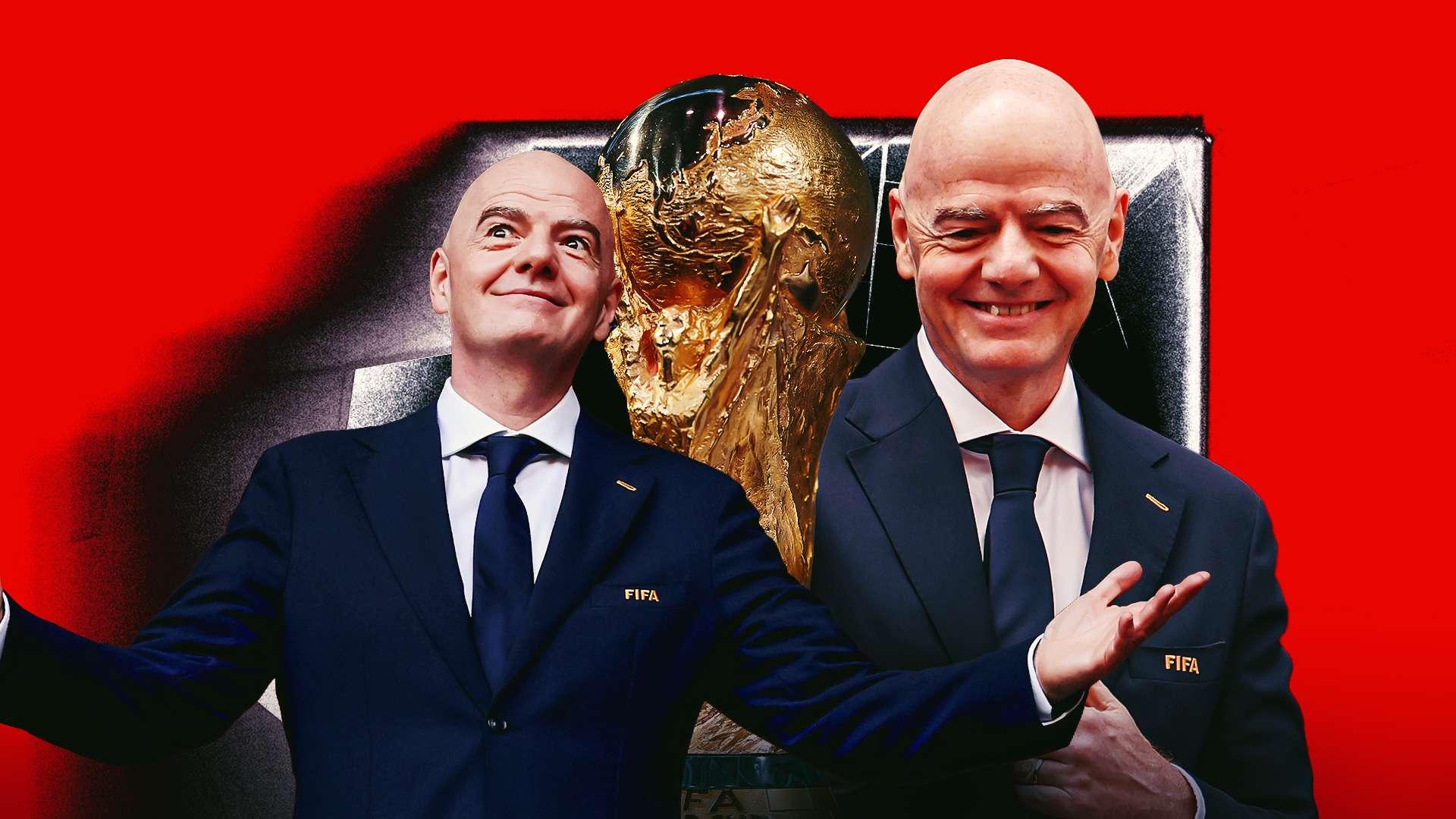
Gianni Infantino’s Controversial Plan to Sell Stakes in FIFA’s Commercial Rights Sparks Outrage
In a surprising move that has sent shockwaves through the world of football, Gianni Infantino, the President of FIFA, has announced a plan to sell off stakes in the organization’s commercial rights. This decision has been met with widespread criticism from fans, clubs, and football federations, who see it as a threat to the essence of the sport.
Infantino’s Defiant Stance
Earlier this week, Infantino took to social media to defend his actions, particularly in response to the backlash surrounding the 2026 World Cup. In a detailed Instagram post, the FIFA President listed his achievements and addressed every criticism that had been raised against the tournament. This shift in attitude from his usual composed demeanor has raised eyebrows and led many to question his motives.
Infantino, known for his calm and collected approach, surprised many with his defiant tone. This move has signaled a shift in his public image, with some interpreting it as a sign of arrogance and a desire for recognition.
Outrage Amongst Fans and Football Stakeholders
The plan to create a separate company for FIFA’s major competitions and involve private investors has sparked outrage within the football community. Critics argue that this move is a threat to the traditional values and integrity of the sport, as it opens the door to commercial interests influencing the game.
Many fans, clubs, and football federations have expressed concerns about the potential consequences of this decision, fearing that it could lead to a loss of the essence of football and prioritize profits over the sport itself.
A Wider Trend in Professional Sports
While Infantino’s plan has been met with strong opposition, it is also reflective of a broader trend in professional sports. The commercialization of sports has been a growing concern for years, with many leagues and organizations prioritizing financial gains over the spirit of the game.
This move by Infantino and FIFA is seen as a culmination of this trend, with critics arguing that it represents a significant departure from the core values that have defined football for generations. The debate over the commercialization of sports is likely to continue as stakeholders grapple with finding a balance between financial success and maintaining the integrity of the game.
In conclusion, Infantino’s decision to sell stakes in FIFA’s commercial rights has sparked a heated debate within the football community. While some see it as a necessary step for the organization’s growth, others view it as a threat to the soul of the sport. As discussions continue, the future of football’s commercialization remains uncertain, leaving fans and stakeholders divided on the path forward.
Backlash from Football Legends and Experts
Aside from fans and football stakeholders, renowned figures in the world of football have also voiced their discontent with Infantino’s plan. Legendary players and coaches have taken to social media and interviews to express their concerns about the potential consequences of selling off FIFA’s commercial rights.
Former World Cup winners and iconic players have emphasized the importance of preserving the authenticity and purity of the game. They argue that involving private investors in major competitions could tarnish the sport’s legacy and compromise its values. These voices from football luminaries add weight to the criticism facing Infantino’s controversial decision.
Global Impact of FIFA’s Commercialization
As the governing body of football worldwide, FIFA’s actions have far-reaching implications beyond just the sport itself. The commercialization of FIFA’s major competitions could have ripple effects on football federations, clubs, and players across the globe.
Smaller football associations and developing countries may find themselves at a disadvantage if commercial interests take precedence over the sport’s development and inclusivity. The shift towards a more commercialized model could widen the gap between football powerhouses and emerging nations, potentially stifling the growth of the game in various regions.
Ethical Concerns and Transparency Issues
One of the key criticisms leveled against Infantino’s plan is the lack of transparency and potential ethical issues associated with selling off FIFA’s commercial rights. The involvement of private investors raises questions about conflicts of interest, fair competition, and the protection of football’s fundamental values.
Football fans and experts are calling for greater transparency in the decision-making process and more clarity on how the commercialization of FIFA’s major competitions will be managed. The need for ethical standards and safeguards to prevent undue influence from external parties has become a focal point in the ongoing debate surrounding Infantino’s controversial proposal.
The Future of Football Governance
Infantino’s plan to sell stakes in FIFA’s commercial rights has sparked a larger conversation about the future of football governance and the role of commercial interests in shaping the sport. The tension between financial sustainability and maintaining the essence of football has become a central theme in discussions about the direction of the game.
As football continues to evolve in an increasingly globalized and commercialized landscape, stakeholders are faced with difficult decisions about how to balance financial growth with the core values that have defined the sport for generations. The outcome of this debate could have lasting implications for the future of football and its place in the world of sports.
In light of the widespread controversy and opposition surrounding Infantino’s plan, the football community faces a critical juncture in determining the path forward for the sport. The decisions made in the coming months and years will shape the future of football governance and define the relationship between commercial interests and the fundamental principles of the game.
With a diverse range of perspectives and insights, the discussions surrounding FIFA’s commercialization highlight the complex challenges facing football and the need for thoughtful reflection on the best path forward. As stakeholders navigate this contentious issue, the future of football governance hangs in the balance, with implications that extend far beyond the boundaries of the pitch.