Controversy Erupts Over Anti-Argentina Campaign Following World Cup Loss
A recent program on Argentina’s “Todo Noticias” channel has stirred up a storm of controversy by revealing a list of 10 international figures allegedly involved in an “anti-Argentina” campaign after the national team’s defeat in the 2026 World Cup final. The heightened tensions arose following “La Albiceleste’s” 1-0 loss to Spain in extra time, ending their impressive winning streak that included victories over several countries.
Hossam Hassan Leads the Accusations
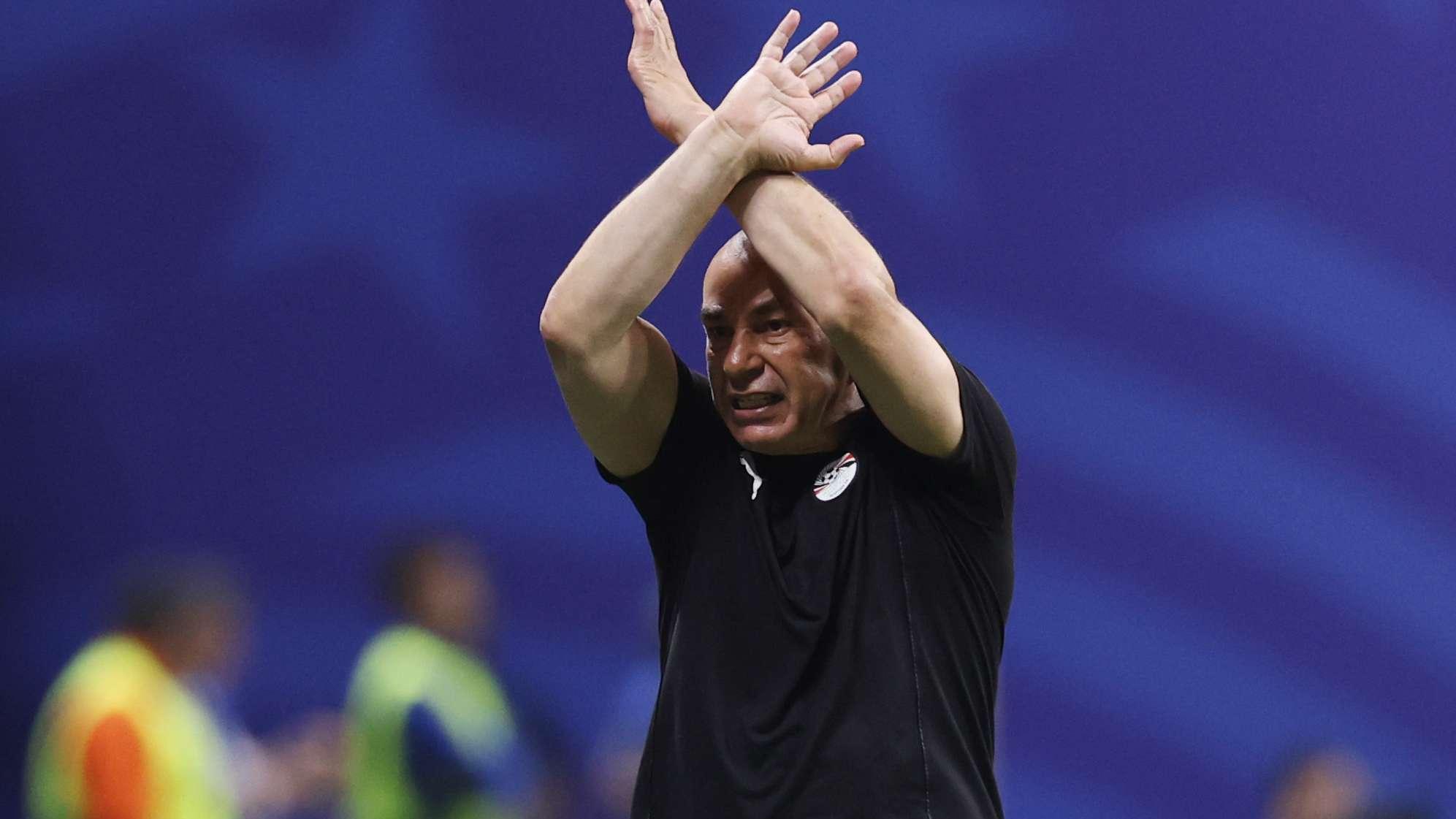
Leading the list of accused individuals is Egypt’s head coach, Hossam Hassan, who criticized the International Federation for favoritism towards Messi and Argentina after Egypt’s elimination in the round of 16. Hassan claimed that unfair decisions cost his team the match, questioning whether it was all for marketing purposes to benefit Messi.
Celebrities Join the Fray
British media personality Piers Morgan also found himself on the list for his comments on the Argentine players’ behavior, labeling them as “disgusting” and “violent.” American actor Samuel Jackson added fuel to the fire by calling Argentina “the most racist country.” Content creator “Speed” also made the cut for his provocative celebration of Spain’s victory and clashes with Argentine fans.
Political and Artistic Figures Drawn In
Among the other figures implicated in the alleged campaign were New York Mayor Zohran Mamdani, Mexico’s President Claudia Sheinbaum, Spanish singer Rosalía, and Chilean actor Pedro Pascal. The diverse list of individuals from different sectors only served to intensify the controversy.
The program’s host, Jonathan Fiali, engaged with the accusations, questioning the validity of the claims and whether they were an organized conspiracy against Argentina. The report quickly spread across social media, eliciting a range of reactions from both supporters and critics.
While some viewed the expose as a legitimate defense of Argentina against unfair criticism, others dismissed it as an exaggerated attempt to vilify dissenting voices. The debate surrounding the allegations continues to rage on, reflecting the passion and intensity that football can evoke in fans and spectators alike.
As the fallout from the World Cup loss continues to reverberate through the international community, the controversy surrounding the alleged anti-Argentina campaign serves as a reminder of the deep emotions and rivalries that define the world of football.
Impact on Egypt’s Football Reputation
Hossam Hassan’s accusations have not only brought him into the spotlight but have also sparked discussions about Egypt’s football reputation on the global stage. The claim of favoritism towards Messi and Argentina has raised questions about the fairness and transparency of refereeing decisions in international tournaments. This controversy has shed light on the challenges faced by teams from smaller footballing nations when competing against more established and high-profile teams.
Global Perception of Argentina
The accusations made by the international figures have also put Argentina’s reputation under scrutiny. The backlash from celebrities, politicians, and artists has highlighted the sensitive nature of national pride and identity in the realm of sports. The perception of Argentina as a country with a history of racial tensions has been brought to the forefront, sparking discussions about how sports events can sometimes amplify underlying social issues.
Media Influence on Public Opinion
The role of media personalities like Piers Morgan in shaping public opinion and stirring controversy cannot be underestimated. In an era where social media allows for instant dissemination of information and opinions, the influence of media figures on public discourse has become increasingly significant. The power of words and images to incite emotions and reactions has been evident in the aftermath of Argentina’s World Cup defeat.
International Relations in the Context of Sports
The involvement of political figures like New York Mayor Zohran Mamdani and Mexico’s President Claudia Sheinbaum in the controversy highlights the intersection of sports and diplomacy. Sporting events often provide a platform for countries to showcase their national pride and unity, but they can also become arenas for political tensions and rivalries. The impact of sports on international relations and perceptions of countries on the global stage is a complex and multifaceted issue.
Cultural Sensitivities and Sportsmanship
The controversy surrounding the alleged anti-Argentina campaign underscores the importance of cultural sensitivities and sportsmanship in the world of sports. Criticisms and accusations made in the heat of the moment can have lasting repercussions on relationships between nations and individuals. The need for mutual respect and fair play in sports transcends boundaries and reminds us of the values that should underpin competitive events.
In conclusion, the aftermath of Argentina’s World Cup loss has ignited a firestorm of controversy that extends beyond the realm of football. The accusations and reactions from international figures have brought to light broader issues related to sportsmanship, media influence, cultural perceptions, and international relations. As the debate rages on, it serves as a poignant reminder of the passion and intensity that football can evoke and the complexities that arise when sports intersect with politics, culture, and society.