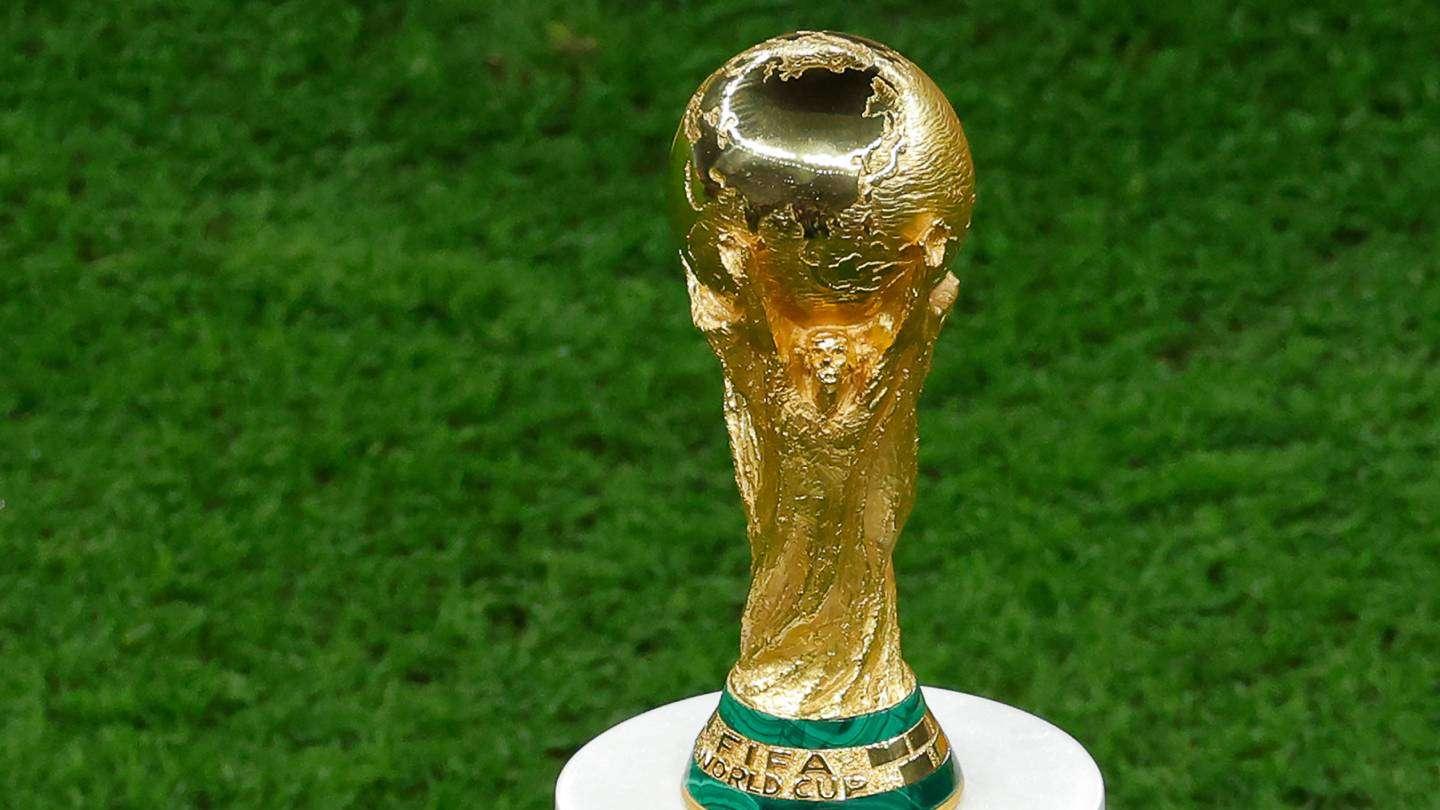
Germany’s Ambition to Host the 2038 FIFA World Cup
Germany has officially announced its ambition to host the 2038 FIFA World Cup, sparking discussions about a potential joint bid with France. The country’s prominent figures in football are advocating for the opportunity to host the prestigious men’s tournament in 2042, but are also open to submitting a bid for the 2038 edition if FIFA adjusts its regulations regarding continental rotation.
German Football Association’s Stance
Axel Hellmann, a board member of the German Football Association, expressed the country’s strong desire to host the World Cup. He revealed that there is an initiative led by Bernd Neuendorf, the association’s president, and the German Football Association to bid for the 2042 tournament, and potentially even for the 2038 edition, depending on FIFA’s regulations.
However, FIFA’s current rules pose a significant obstacle to Germany’s bid. The upcoming World Cup editions are already allocated to Morocco, Spain, Portugal, Argentina, Uruguay, Paraguay, and Saudi Arabia, leaving North America or Oceania as the probable hosts for the 2038 tournament. With Australia being part of the Asian Football Confederation, the United States emerges as a strong candidate.
Challenges and Opportunities
Germany is banking on FIFA amending its regulations, particularly the continental rotation policy, which would enable European countries like Germany to bid for the 2038 World Cup. A potential partnership with France could enhance the strength of the bid and increase the chances of hosting the tournament.
The competition for hosting rights is fierce, with countries around the world vying for the opportunity to showcase their capabilities and passion for the sport. Hosting the World Cup not only brings prestige and recognition to the chosen nation but also stimulates economic growth and promotes tourism.
Looking Ahead
As Germany positions itself as a contender for the 2038 FIFA World Cup, discussions and negotiations will intensify in the coming years. The country’s rich footballing history, state-of-the-art facilities, and passionate fan base make it a compelling choice to host the tournament. If FIFA revises its regulations to accommodate European bids, Germany’s dream of hosting the World Cup may soon become a reality.
In conclusion, Germany’s bold declaration to host the 2038 FIFA World Cup, along with the possibility of a joint bid with France, signals the country’s unwavering commitment to securing the prestigious tournament. With FIFA’s regulations serving as a key determinant, the future of the World Cup bid remains uncertain but full of potential for Germany and its football enthusiasts. Stay tuned for more updates on this evolving football news story.
Germany’s Football Legacy
Germany has a long-standing football tradition, with a robust domestic league and a successful national team that has captured the FIFA World Cup title four times. The country’s passion for the sport is evident in the enthusiastic support of fans, the top-notch infrastructure of stadiums, and the high level of competition in its professional leagues. Hosting the World Cup would not only be a showcase of Germany’s football prowess but also a celebration of its cultural heritage and love for the game.
Strategic Partnerships for Success
Collaborating with France for a joint bid presents a strategic advantage for Germany. The two nations have a history of friendly rivalry on the football field, and combining forces could create a formidable bid that strengthens their chances of securing the tournament. France, a previous World Cup host in 1998, brings its own rich footballing tradition and infrastructure to the table, complementing Germany’s strengths. Together, they could create a compelling proposal that FIFA cannot ignore.
Economic Impact and Community Benefits
The economic impact of hosting the FIFA World Cup cannot be understated. The influx of tourists, the boost to local businesses, and the creation of job opportunities in various sectors are just some of the benefits that come with hosting such a major sporting event. Additionally, investing in infrastructure upgrades and stadium renovations for the World Cup can have lasting benefits for the communities involved, leaving a legacy of improved facilities and enhanced quality of life for residents.
Social and Cultural Impact
Beyond the economic aspects, hosting the World Cup can have a profound social and cultural impact on a nation. It brings people together from all walks of life, fostering a sense of unity and national pride. The tournament provides a platform for showcasing diverse cultures, traditions, and values, creating opportunities for cross-cultural exchange and mutual understanding. In a world that sometimes feels divided, events like the FIFA World Cup have the power to bridge gaps and promote harmony through the universal language of football.
Global Recognition and Legacy
If Germany succeeds in its bid to host the 2038 FIFA World Cup, it will solidify its status as a powerhouse in the footballing world. The tournament will leave a lasting legacy for generations to come, inspiring young players, fans, and aspiring hosts around the globe. Germany’s ambition to host the World Cup is not just about a one-time event; it is about leaving a mark on the world stage and shaping the future of football for years to come.
As the discussions and negotiations unfold in the lead-up to the bidding process, the football world will be watching eagerly to see if Germany’s dream of hosting the World Cup becomes a reality. With its rich history, passionate fan base, and strong bid proposal, Germany is well-positioned to make a compelling case for why it should be the chosen host for the 2038 FIFA World Cup.
Stay tuned for more updates on this unfolding football news story as Germany and France navigate the competitive landscape of international tournament hosting.