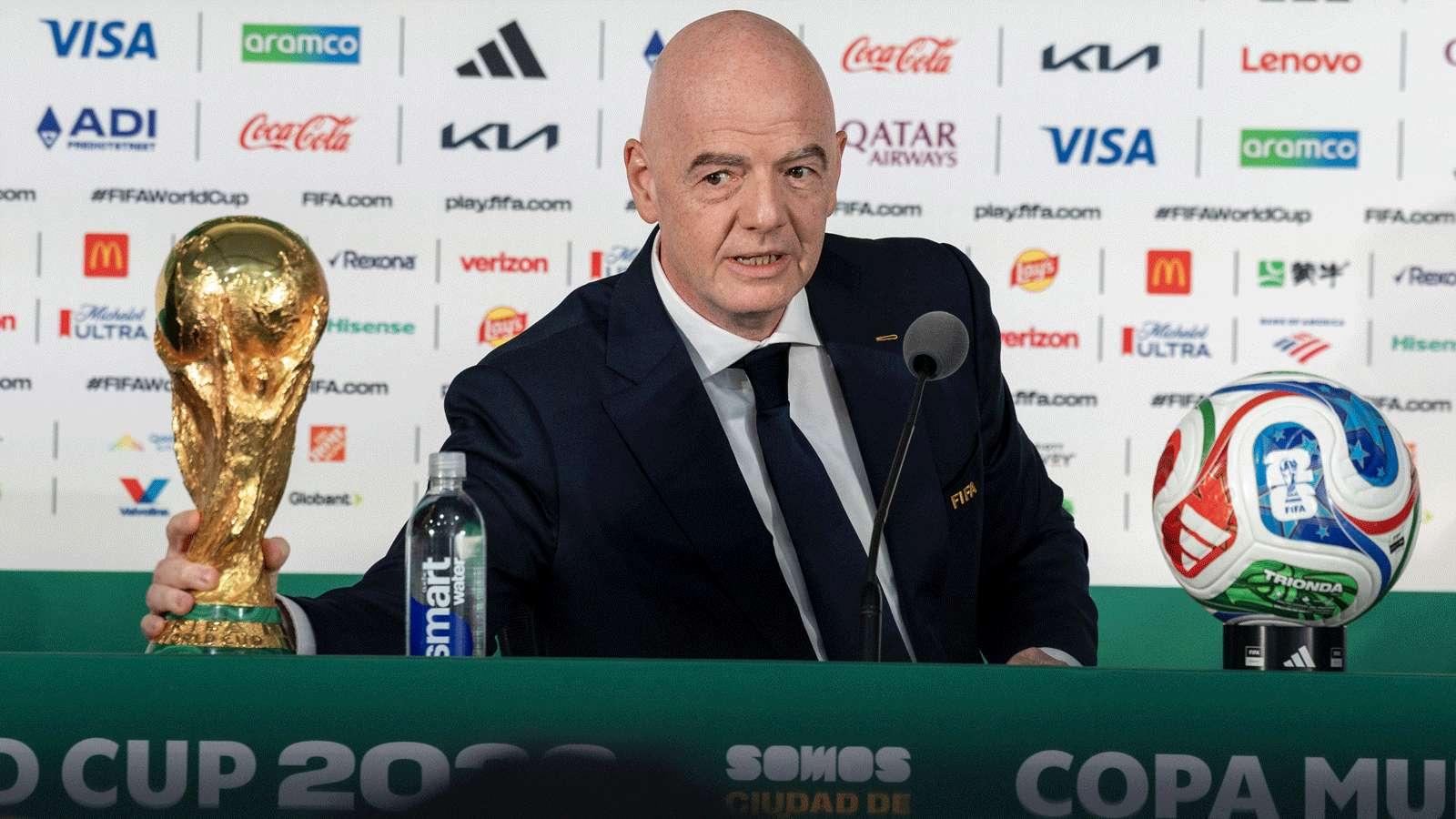
French Government Calls Emergency Meeting Over FIFA’s Controversial Plan
In a surprising move, the French government has called for an emergency meeting involving European football’s governing bodies to address FIFA’s recent proposal to allow private investors to participate in commercial activities related to the sport. The proposed changes have caused a stir within the football community, with many expressing concerns about the potential impact on the governance and financial integrity of the game.
Concerns Over Transparency and Governance
The announcement of FIFA’s plan to open up commercial activities to private investors has raised questions about the future direction of football governance. Many fear that allowing external investors to have a stake in the sport could compromise the integrity of decision-making processes and lead to conflicts of interest. The lack of transparency surrounding the proposed changes has only added to the growing unease within the football community.
Political intervention has been swift in response to these concerns, with the French government taking the lead in organizing a meeting with European football’s governing bodies to discuss the implications of FIFA’s proposal. The goal of the meeting is to ensure that the interests of the sport and its stakeholders are protected, while also promoting transparency and accountability in decision-making processes.
Protecting the Future of Football
Football has long been seen as a unifying force that brings people together across borders and cultures. The sport’s popularity and influence on a global scale have made it a valuable asset that requires careful stewardship to ensure its continued success. The French government’s decision to intervene in the debate over FIFA’s proposal reflects a commitment to protecting the future of football and upholding its core values.
By convening a meeting with European football’s governing bodies, the French government is signaling its intention to take a proactive role in shaping the future of the sport. The discussions are expected to cover a wide range of topics, including the potential risks and benefits of opening up commercial activities to private investors, as well as strategies for maintaining transparency and accountability within football governance.
Looking Ahead
As the meeting approaches, stakeholders in the football community are eagerly awaiting the outcomes of the discussions. The decisions made during this critical period could have far-reaching implications for the future of the sport, shaping the way in which football is governed and financed for years to come.
In conclusion, the French government’s decision to call an emergency meeting over FIFA’s controversial plan to open up commercial activities to private investors underscores the importance of protecting the integrity and transparency of football governance. By addressing these concerns head-on, European football’s governing bodies are taking a proactive stance in safeguarding the future of the sport and ensuring that its core values remain intact.
Impact on Financial Stability
One of the key concerns surrounding FIFA’s proposal is the potential impact on the financial stability of football clubs and organizations. By allowing private investors to participate in commercial activities, there is a risk that financial decisions could be influenced by profit motives rather than the best interests of the sport. This could lead to increased inequality between clubs, with wealthier investors gaining a competitive advantage over others.
Additionally, the influx of private investment could also bring about changes in the ownership structure of football clubs. Traditional ownership models, where clubs are owned by fans or local communities, may be threatened by the entry of deep-pocketed investors looking to maximize returns on their investments. This shift in ownership dynamics could have far-reaching implications for the culture and identity of football clubs.
Global Perspective
While the French government’s response to FIFA’s proposal has garnered attention in Europe, the implications of these changes extend far beyond the continent. Football is a truly global sport, with millions of fans and stakeholders around the world. Any shifts in governance or financial structures within European football could have ripple effects on the sport’s landscape internationally.
Countries outside of Europe will be closely monitoring the outcomes of the emergency meeting, as decisions made by European football’s governing bodies could set a precedent for how the sport is governed on a global scale. The need for transparency, accountability, and the protection of football’s core values transcends borders, making this issue of interest to stakeholders worldwide.
Innovation and Adaptation
While concerns about the potential risks of private investment in football are valid, some argue that innovation and adaptation are necessary for the sport to thrive in a rapidly changing world. Embracing new business models and revenue streams could open up opportunities for growth and development, allowing football to reach new audiences and expand its global footprint.
By engaging in open dialogue and collaboration with stakeholders, European football’s governing bodies can work towards finding a balance between preserving the integrity of the sport and embracing innovation. This delicate balancing act will require careful consideration of the potential risks and benefits of FIFA’s proposal, as well as a commitment to upholding the values that make football a beloved and enduring institution.
Final Thoughts
As the emergency meeting looms on the horizon, the football community braces for a pivotal moment that could shape the future of the sport for generations to come. The discussions that take place will not only impact the governance and financial landscape of European football but may also influence the broader global football ecosystem.
By navigating the complexities of private investment in football with a focus on transparency, accountability, and long-term sustainability, European football’s governing bodies have an opportunity to lead the way in setting a positive example for the rest of the world. The decisions made in the coming days will reverberate throughout the football world, shaping the sport’s trajectory and legacy in the 21st century and beyond.
Overall, the French government’s initiative to convene an emergency meeting underscores the importance of thoughtful consideration and collaboration in addressing the challenges and opportunities facing football governance. With stakeholders coming together to discuss the future of the sport, there is hope for finding common ground and charting a path forward that upholds the values and principles that have made football a source of joy, unity, and inspiration for generations.