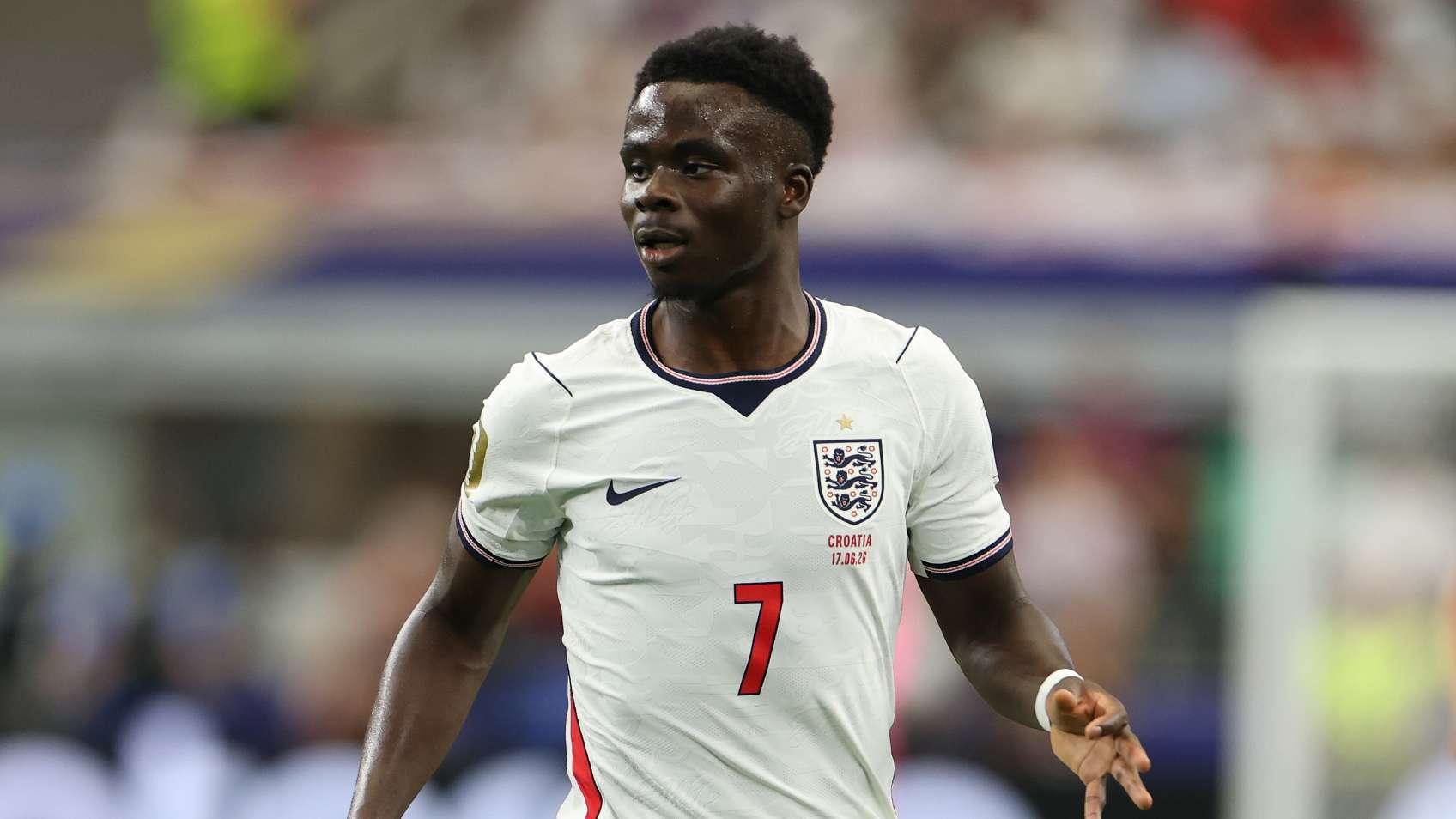
Former England Legends Express Concern for Bukayo Saka’s World Cup Fitness
As the 2026 World Cup heats up, former England internationals Gary Neville and Ian Wright have shared their worries about the physical condition of Arsenal’s rising star, Bukayo Saka. The young forward has been struggling with a nagging injury that seems to be hindering his performance on the grandest stage of international football.
Concerns for Saka’s Fitness
Both Neville and Wright, who have been closely following England’s progress in the tournament, have expressed their serious concerns for Saka’s well-being. The talented winger has been a key player for the Three Lions, known for his pace, skill, and creativity on the field. However, his persistent injury has raised doubts about his ability to perform at his best when it matters the most.
Despite his determination to push through the pain and continue representing his country, Saka’s physical limitations have not gone unnoticed by his former teammates turned pundits. Neville and Wright believe that it is crucial for the England coaching staff to carefully manage Saka’s workload and ensure that he receives the necessary rest and rehabilitation to avoid aggravating his injury further.
Impact on England’s World Cup Campaign
Saka’s fitness issues have the potential to significantly impact England’s chances of success in the World Cup. As one of the team’s most promising young talents, his absence or diminished performance could weaken England’s attacking options and overall gameplay. With crucial matches on the horizon, including the knockout stages, the Three Lions need Saka to be at his best to compete against the world’s top teams.
Moreover, Saka’s injury woes highlight the challenges faced by players who must balance club and international commitments throughout the season. The demands of playing at the highest level in both domestic and international competitions can take a toll on players’ bodies, leading to fatigue, injuries, and performance dips.
The Importance of Player Welfare
As discussions around Saka’s fitness continue, the focus on player welfare and health in football has come to the forefront. The well-being of athletes should be a top priority for clubs and national teams alike, with proper care and support needed to ensure their long-term success and longevity in the sport.
While Saka’s situation serves as a reminder of the physical strains that professional footballers face, it also emphasizes the need for proactive measures to prevent injuries and protect players’ well-being. The football community must work together to create environments that prioritize player health and safety, allowing them to thrive on the pitch and reach their full potential.
Looking Ahead
As the World Cup drama unfolds, all eyes will be on Bukayo Saka and his journey to overcome his injury struggles. The football world waits with bated breath to see if the young star can rise above his physical limitations and make a lasting impact on the global stage.
For now, Neville, Wright, and fans around the world continue to monitor Saka’s progress, hoping for a swift recovery and a return to form that could help England achieve their World Cup dreams.
Player Health in Football: A Balancing Act
Football is a physically demanding sport that requires players to maintain peak fitness levels to perform at their best. The case of Bukayo Saka highlights the delicate balance that players must strike between pushing themselves to excel on the field and taking care of their bodies to avoid long-term injuries. With the intensity of the modern game and the packed schedules of club and international competitions, players are constantly under pressure to deliver while also managing their physical well-being.
In recent years, there has been a growing awareness of the importance of player health in football. Clubs and national teams have invested heavily in sports science and medical teams to monitor players’ fitness levels, provide tailored training programs, and implement injury prevention strategies. However, despite these advancements, injuries remain a common occurrence in the sport, affecting players at all levels of the game.
The Mental Toll of Injuries
Aside from the physical impact, injuries can also take a significant toll on a player’s mental well-being. The frustration of being sidelined, the fear of missing out on important matches, and the pressure to return to form quickly can all contribute to mental stress and anxiety for injured players. It is essential for clubs and national teams to offer psychological support and resources to help players cope with the emotional challenges of being injured.
For young players like Saka, who are still establishing themselves at the highest levels of the game, the mental resilience to overcome setbacks and stay focused on their recovery is crucial for their long-term development. The support of teammates, coaches, and medical staff can play a vital role in helping players navigate the ups and downs of their footballing journey.
The Evolution of Player Welfare in Football
The discussion around player welfare in football has evolved significantly in recent years, with stakeholders across the industry recognizing the need to prioritize the health and safety of athletes. Initiatives such as FIFA’s “Football for Health” program and UEFA’s medical regulations have been introduced to promote best practices in sports medicine and injury prevention.
Moreover, advancements in sports technology, such as wearable devices for tracking performance metrics and monitoring fatigue levels, have provided teams with valuable data to optimize training routines and reduce the risk of injuries. By leveraging these tools and resources, clubs and national teams can better support their players’ physical and mental well-being throughout the season.
Conclusion
As Bukayo Saka navigates his injury struggles on the world stage, his story serves as a poignant reminder of the challenges that players face in modern football. The spotlight on player health and welfare continues to grow, urging the football community to prioritize the well-being of athletes above all else. By fostering a culture of care, support, and prevention, football can ensure that its stars shine brightly for years to come, both on and off the pitch.
As fans await Saka’s return to full fitness and form, the hope is that his journey will inspire positive change in how the game approaches player welfare, setting a new standard for the future generation of footballers.