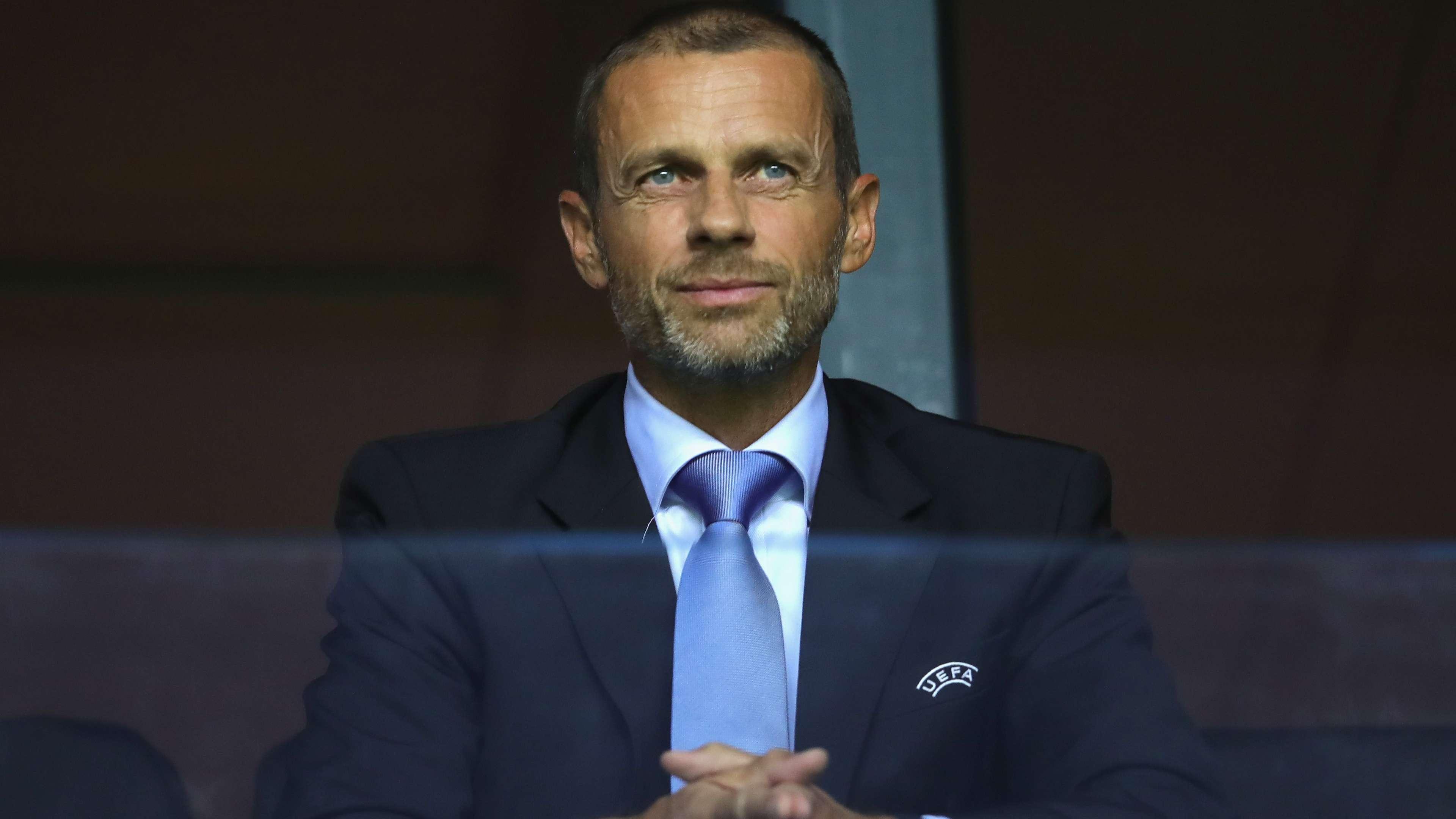
UEFA Makes Important Decisions at Meeting
Football news has been buzzing with updates from UEFA’s recent meeting where important decisions were made regarding the upcoming 2026/27 season. Refereeing officials from the 55 European national associations and UEFA gathered to discuss and agree on shared guidelines aimed at unifying the interpretation of the laws of the game, increasing actual playing time, and ensuring a more limited and consistent use of the video assistant referee (VAR) system.
Key Decisions Made
At the meeting held at UEFA’s headquarters in Nyon, representatives from the International Football Association Board (IFAB) were also present to analyze the recent amendments made to the laws of the game. These decisions come in the wake of the 2026 World Cup, which saw various refereeing controversies that sparked debate over the use of VAR.
One of the main points of discussion was the operation of the VAR technology. Participants agreed on the need to strengthen shared standards on VAR interventions, emphasizing that the system should only step in for a “clear and obvious” error or when the referee fails to take an obvious action. The primary aim is to support the main referee rather than re-referee matches from the video room.
Uniform Standards and Reforms
UEFA and the national associations also reached agreements on applying uniform standards when identifying players, as well as supporting the reforms approved by IFAB to combat time-wasting and speed up play. Measures such as goal kicks, throw-ins, substitutions, and stoppages due to injuries will all fall under these new guidelines.
Referees will receive instructions to strictly and consistently apply these provisions in all national and international competitions to increase actual playing time and reduce unnecessary delays on the field.
Improving Referee-Player Communication
Another important aspect discussed at the meeting was the relationship between referees and players. UEFA and the national associations agreed to strengthen the protocol for communication between team captains and referees to promote respect for referees and reduce protests on the pitch. This model was inspired by the successful communication strategy developed during Euro 2024.
Future Initiatives
In the coming weeks, UEFA will unveil new initiatives aimed at ensuring the uniform application of the laws of the game and the VAR protocol across all European football competitions. These initiatives are expected to further enhance the efficiency and fairness of refereeing in football.
Overall, the decisions made at the UEFA meeting reflect a commitment to improving the quality of refereeing, enhancing the game’s integrity, and providing a better experience for players and fans alike. Stay tuned for more updates as these guidelines are implemented in the upcoming season.
Keywords: football news, UEFA, VAR, IFAB, refereeing, European football competitions
Implementing the Decisions
Following the decisions made at the UEFA meeting, fans, players, and officials alike are eager to see how these changes will be implemented in the upcoming season. With a renewed focus on improving the quality of refereeing and enhancing the overall experience of the game, the football community is optimistic about the potential impact of these measures.
One key area of focus will be the consistent application of VAR technology. By clarifying when and how the system should be used, UEFA aims to minimize disruptions and ensure that the referees remain the central figures on the pitch. This shift towards a more supportive role for VAR could lead to smoother gameplay and fewer debates over controversial decisions.
Impact on Player Behavior
The emphasis on improving communication between referees and players also has the potential to influence on-field behavior. By promoting respect for officials and encouraging dialogue between captains and referees, UEFA hopes to reduce instances of dissent and create a more harmonious playing environment. This could lead to a more positive experience for players, officials, and spectators alike.
Global Repercussions
While the decisions made at the UEFA meeting primarily impact European football competitions, their effects could resonate on a global scale. As one of the leading governing bodies in football, UEFA sets a precedent for other organizations to follow. The success of these initiatives could prompt other leagues and associations to adopt similar measures, ultimately shaping the future of refereeing standards worldwide.
Feedback and Adaptation
As these changes are rolled out, UEFA will be closely monitoring their impact and gathering feedback from stakeholders across the football community. This iterative approach allows for adjustments to be made based on real-world experiences, ensuring that the decisions made at the meeting are responsive to the evolving needs of the game.
With a focus on enhancing fairness, efficiency, and overall quality, the decisions made at the UEFA meeting signal a new chapter in the evolution of football refereeing. By prioritizing consistency, communication, and player respect, UEFA is laying the groundwork for a more streamlined and enjoyable football experience for all involved.
Stay tuned for more updates on how these initiatives shape the future of football refereeing and the game as a whole.
Keywords: football news, UEFA, VAR, IFAB, refereeing, European football competitions, player behavior