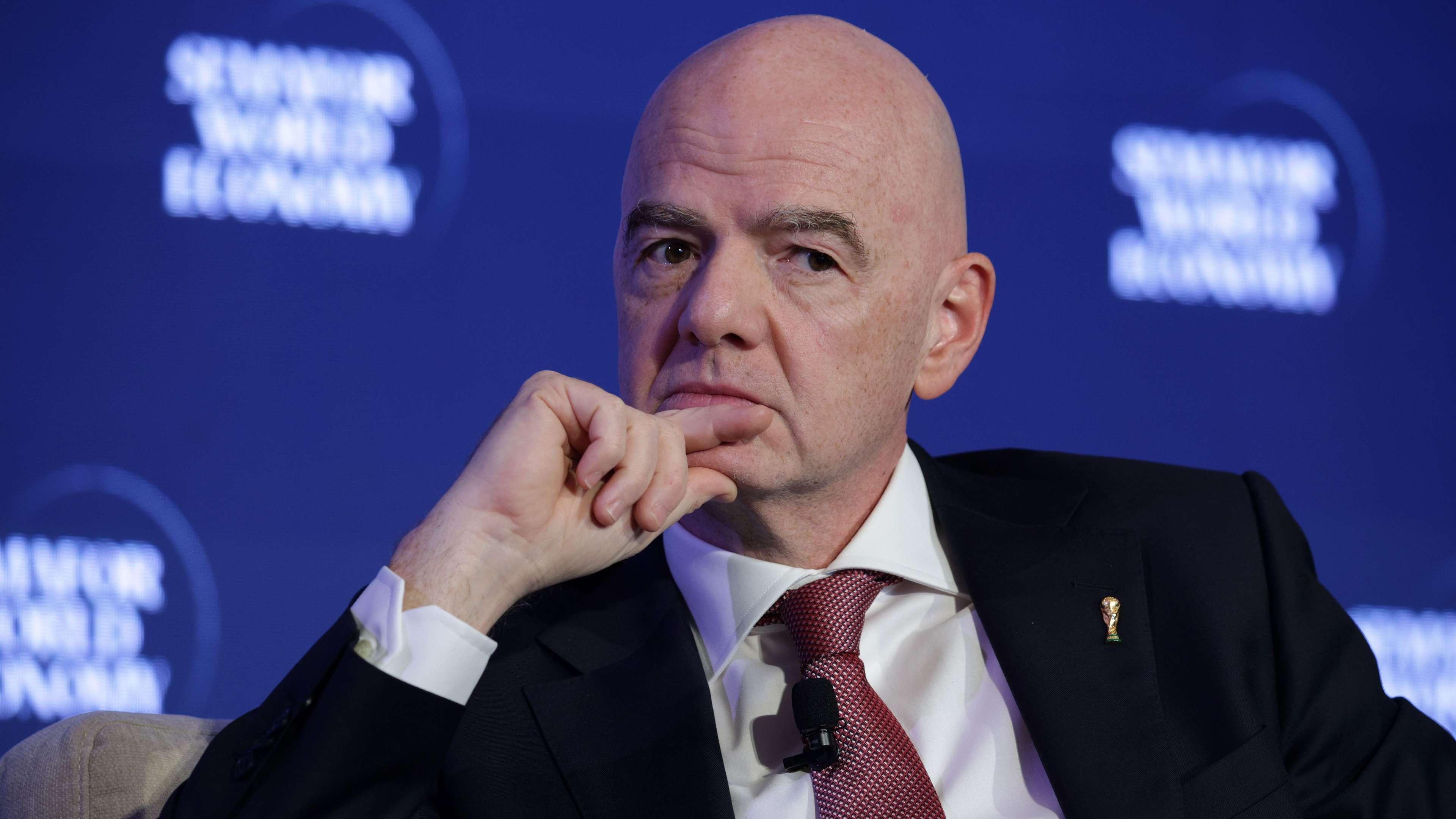
Bayern Munich Sporting Director Criticizes FIFA President over World Cup Proposals
In a recent interview, Bayern Munich’s sporting director, Max Eberl, made headlines with his scathing comments directed at FIFA president, Gianni Infantino. Eberl expressed his deep disappointment and concern over FIFA’s proposed plans to involve private investors in the World Cup. The outspoken Bavarian chief did not hold back in his criticism, suggesting that FIFA’s priorities have shifted towards commercial gain at the expense of the sport’s integrity.
Concerns Over FIFA’s Direction
Eberl’s strong words reflect a growing sentiment among football stakeholders who fear that the sport’s governing bodies are becoming increasingly entangled in profit-driven endeavors. The prospect of private investors influencing the prestigious World Cup tournament has raised red flags for many traditionalists who believe in the purity and authenticity of the game.
According to Eberl, FIFA’s willingness to entertain such proposals signals a troubling departure from its core values as a custodian of the world’s most popular sport. The Bayern Munich sporting director emphasized the importance of preserving the integrity of football and protecting it from commercial exploitation.
Backlash Against FIFA’s Commercialization Efforts
The backlash against FIFA’s perceived commercialization of football is not new, with critics pointing to a series of controversial decisions in recent years. From expanding the World Cup format to include more teams to hosting the tournament in unconventional locations, FIFA has faced mounting criticism over its priorities.
Eberl’s outspoken criticism of Infantino and FIFA’s direction has reignited debates about the organization’s role in shaping the future of football. As one of the most influential figures in European football, Eberl’s words carry weight and could potentially influence the direction of the sport at a global level.
The Fight for Football’s Soul
At the heart of Eberl’s comments lies a fundamental concern for the soul of football. As the sport continues to evolve and adapt to modern challenges, there is a growing fear that its essence is being eroded by commercial interests. Eberl’s passionate defense of football’s integrity serves as a rallying cry for those who believe in the purity and magic of the beautiful game.
As discussions around FIFA’s proposed changes to the World Cup intensify, the debate over the future of football is far from over. Eberl’s bold stance against commercialization highlights the deep-rooted tensions within the football community and underscores the importance of preserving the sport’s values in the face of external pressures.
In conclusion, Eberl’s critique of FIFA’s president and the organization’s approach to the World Cup reflects a broader struggle within football to maintain its authenticity and resist commercialization. His words serve as a reminder of the enduring power of the sport and the need to protect its essence for future generations.
Impact of FIFA’s Commercialization on Football
The push towards commercialization in football has been a contentious issue for many years, with stakeholders divided on the implications of involving private investors in the sport. While some argue that increased financial backing could lead to greater opportunities and growth, others, like Eberl, fear that it may compromise the core values and spirit of the game.
One of the main concerns raised by critics of FIFA’s commercialization efforts is the potential for greed and profit-driven decisions to overshadow the love of the game. By opening the door to private investors, there is a risk of prioritizing financial gains over the well-being of players, fans, and the overall football community.
Preserving Football’s Heritage
Eberl’s stance against FIFA’s proposed changes to the World Cup highlights the broader struggle to preserve football’s rich heritage and traditions. The sport holds a special place in the hearts of millions around the world, with its history and culture deeply intertwined with the identities of nations and communities.
As the landscape of football continues to evolve, it is crucial to find a balance between innovation and tradition. While there is room for growth and adaptation, it is essential to safeguard the essence of the game that has captivated generations and transcended borders.
The Role of Sporting Directors in Football Governance
Max Eberl’s vocal criticism of FIFA’s president sheds light on the influential role that sporting directors play in shaping the future of football. These key figures often act as advocates for their clubs, players, and the overall integrity of the sport, using their platform to voice concerns and drive positive change.
By speaking out against what he perceives as a threat to football’s values, Eberl has demonstrated the importance of leadership and integrity in football governance. Sporting directors, alongside coaches, players, and fans, have the power to hold governing bodies accountable and steer the sport in a direction that upholds its fundamental principles.
The Evolution of Football Governance
As discussions surrounding FIFA’s proposed changes to the World Cup continue, the future of football governance remains uncertain. The clash between commercial interests and the purity of the game reflects a broader tension within the sport, as it grapples with modernization and globalization.
The outcome of this ongoing debate will shape the trajectory of football for years to come, determining whether the sport maintains its authenticity and charm or succumbs to the pressures of commercialization. Max Eberl’s critique serves as a poignant reminder of the responsibilities that come with governing one of the world’s most beloved pastimes.
Ultimately, the fight for football’s soul continues, with stakeholders at all levels playing a crucial role in shaping its future. As the sport navigates the complexities of a rapidly changing world, it is essential to remember the values that have made football a source of joy, unity, and inspiration for generations.