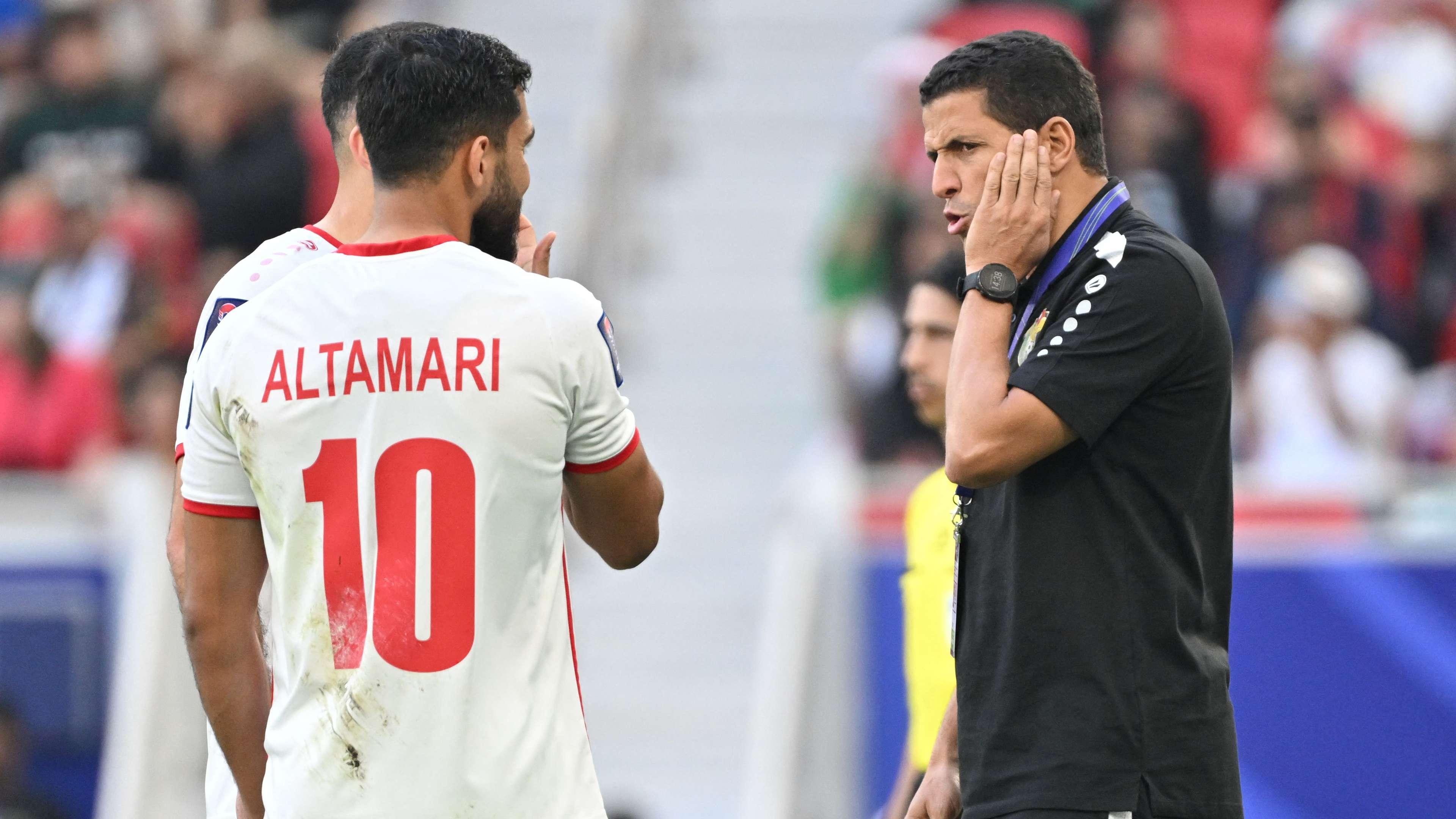
A Controversial Testimony from the Dressing Room
In recent football news, Khaled El-Ghandour has sparked controversy with his comments regarding the management style of Hussein Ammouta, the new head coach of Al-Ahly. El-Ghandour, a prominent media figure, raised concerns about Ammouta’s approach to dealing with players, describing him as having a firm and short-tempered personality.
Claims of Disputes and Controversy
During a television appearance, El-Ghandour revealed that Ammouta’s time at Emirati club Al-Jazira was marred by disputes with several key players, including Frenchman Nabil Fekir and Egyptian Mohamed Elneny. According to El-Ghandour, these disputes sometimes escalated to the use of inappropriate language and even violent treatment of players.
El-Ghandour expressed his concerns that Ammouta’s management style at Al-Jazira could potentially carry over to his new role at Al-Ahly. He emphasized that Al-Ahly’s squad consists of experienced players with diverse personalities, highlighting the need for a balanced approach to dressing-room management to maintain harmony within the team.
Response from Al-Jazira Director
Responding to the allegations, Hussein Suhail, the football director at Al-Jazira, vehemently denied any reports of crises between Ammouta and the players during his tenure at the club. In an interview with “Al-Maidan Al-Riyadi,” Suhail dismissed the claims as untrue.
Suhail defended Ammouta’s relationship with the players at Al-Jazira, describing it as positive and emphasizing the coach’s excellent dealings with the team. He acknowledged Ammouta’s firm and strict coaching style but explained that such qualities are necessary for maintaining control and discipline within the dressing room.
Challenges at Al-Ahly
Suhail also highlighted the unique challenges that come with managing a club like Al-Ahly, emphasizing that the team requires more than just a strong personality like Ammouta’s. He noted that Al-Ahly, being a prestigious and established club, may not necessarily need significant changes from a technical standpoint but instead requires a nuanced approach to leadership.
As the controversy surrounding Ammouta’s management style continues to make headlines, fans and analysts are eager to see how the new head coach will navigate the challenges of leading a high-profile team like Al-Ahly. The dynamics within the dressing room and the interactions between Ammouta and the players will undoubtedly be closely scrutinized as the team moves forward in its season.
Stay tuned for more updates on this developing story as football enthusiasts eagerly await the next chapter in the ongoing saga surrounding Hussein Ammouta and Al-Ahly.
The Importance of Effective Communication in Football Management
One crucial aspect of successful football management that is often overlooked is effective communication. The ability to communicate clearly, respectfully, and assertively with players is essential for maintaining a positive team dynamic and fostering a sense of unity and trust within the squad.
While some coaches may adopt a strict or firm approach, it is crucial to strike a balance between discipline and empathy. Understanding the individual personalities, motivations, and needs of each player can help coaches tailor their communication style to ensure that their messages are received positively and constructively.
In the case of Hussein Ammouta, it is essential for him to establish open lines of communication with the players at Al-Ahly to address any concerns, resolve conflicts, and build strong relationships based on mutual respect. By fostering a culture of transparency and dialogue, Ammouta can create a supportive environment where players feel valued and understood.
The Role of Leadership in Managing High-Profile Clubs
Leading a prestigious and established club like Al-Ahly requires more than just technical expertise; it demands strong leadership skills. Coaches must be able to inspire, motivate, and guide their players both on and off the field to ensure success and maintain the club’s legacy.
Effective leadership involves setting a clear vision, establishing goals, and creating a sense of unity and purpose within the team. Coaches like Ammouta must lead by example, demonstrating professionalism, dedication, and a commitment to excellence to earn the respect and trust of their players.
By fostering a culture of accountability, communication, and teamwork, coaches can cultivate a winning mentality and instill a sense of pride and passion in their players. This approach not only enhances performance on the pitch but also strengthens the bond between the coach and the team, creating a cohesive and harmonious environment for success.
Looking Ahead: The Path to Redemption
As Hussein Ammouta faces scrutiny over his management style, he has an opportunity to reflect, learn, and grow from this experience. By listening to feedback, seeking guidance, and adapting his approach, Ammouta can demonstrate his willingness to evolve as a coach and leader.
It is essential for Ammouta to display humility, empathy, and a willingness to collaborate with the players, staff, and stakeholders at Al-Ahly. Building trust, fostering respect, and promoting a culture of inclusivity and empowerment can help Ammouta overcome the challenges he faces and earn the support of the team and fans.
Ultimately, the true test of Ammouta’s leadership will be how he responds to adversity, embraces feedback, and demonstrates a commitment to growth and improvement. By leveraging his strengths, addressing his weaknesses, and embracing change, Ammouta can chart a path to redemption and establish himself as a respected and successful coach at Al-Ahly.
As the drama surrounding Hussein Ammouta continues to unfold, the football world eagerly awaits the next chapter in this compelling story of redemption, resilience, and leadership in the world of football management.