Al-Anwar Club Calls for Al-Owaidan to be Excluded from Matches
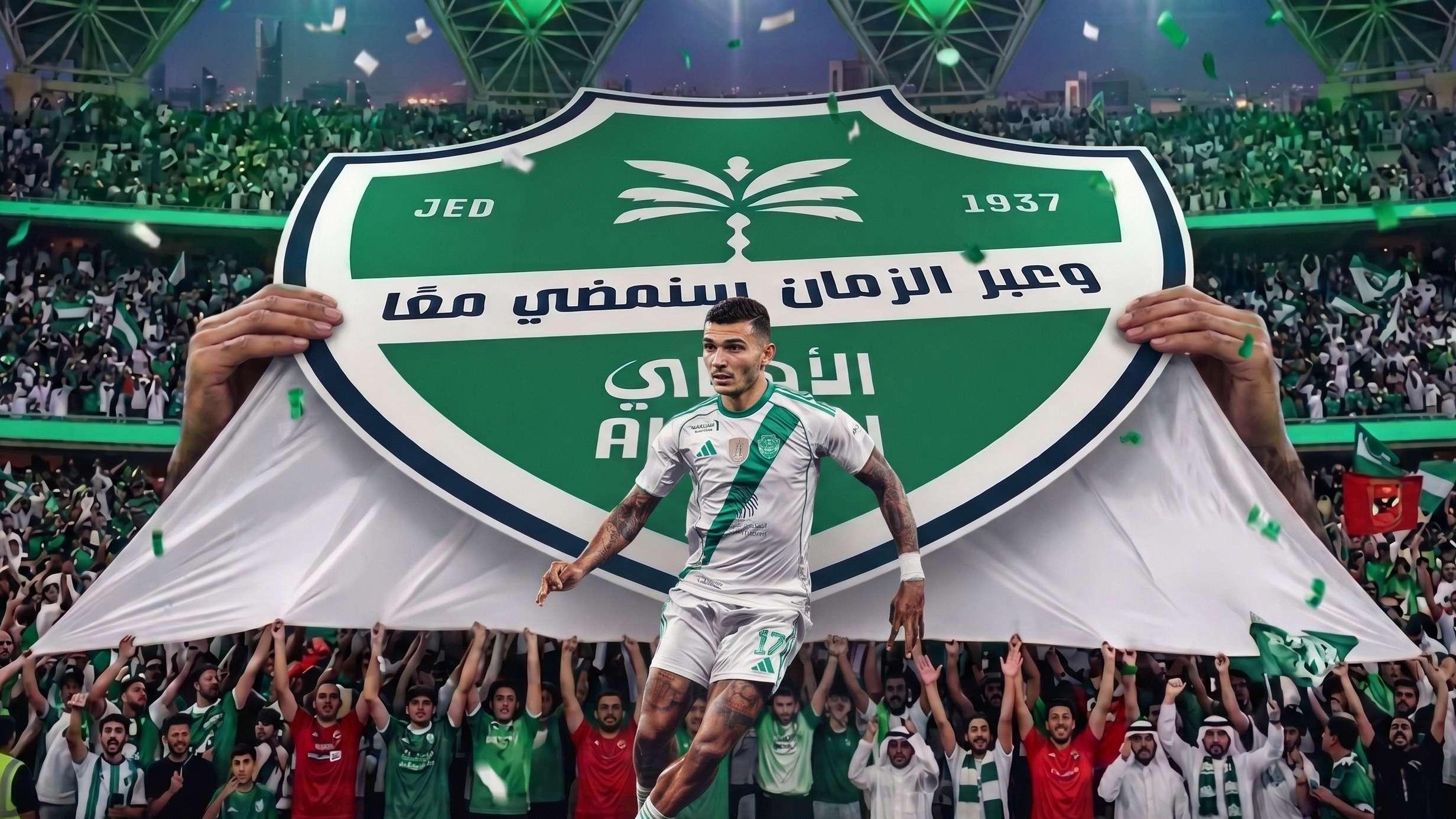
Football news has been buzzing with controversy after Saudi club Al-Anwar expressed their dissatisfaction with the refereeing in their recent match against Al-Ahli in the Custodian of the Two Holy Mosques Cup. The game ended in a 2-1 victory for “Al-Raqi,” sparking outrage from Al-Anwar’s management.
Controversy Over Al-Ahli’s Goal
The main point of contention arose from Al-Ahli’s goal scored by Armenian Edward Spertsyan, which resulted in widespread objections due to a handball by Brazilian Roger Ibanez during the play’s build-up. Refereeing expert Fahd Al-Mirdasi supported Al-Anwar’s claims, stating that the goal should not have been allowed due to the clear handball. Despite the use of Video Assistant Referee (VAR) technology, the decision stood, leading to Al-Anwar’s frustration.
Official Statement from Al-Anwar
Al-Anwar began their official statement by congratulating Al-Ahli on their qualification and thanking their own fans for their unwavering support. However, the club’s management emphasized that certain refereeing decisions directly impacted the match’s outcome and demanded that referee Abdullah Al-Owaidan be barred from officiating any future games involving Al-Anwar to ensure fairness and neutrality.
The statement accused Al-Owaidan of making a crucial refereeing error that altered the course of the match. Despite being called to review the incident by the video technology room referees, Al-Owaidan stood by his initial decision, leaving both the club’s management and spectators bewildered.
Respect for Refereeing System
Al-Anwar reiterated their respect for the refereeing system and authorities while asserting their right to contest decisions that they believe significantly impacted the match’s outcome. They called for optimal refereeing conditions in their future matches, expressed their pride in participating in the Custodian of the Two Holy Mosques Cup, and wished Al-Ahli success in the tournament.
As football fans eagerly await the resolution of this dispute, the call for Al-Owaidan to be excluded from future matches involving Al-Anwar adds an intriguing layer of drama to the ongoing competition.
The Role of VAR in Modern Football
The controversy surrounding Al-Anwar’s recent match highlights the growing importance of technology in modern football. The introduction of VAR was meant to assist referees in making more accurate decisions and reducing errors that could affect the outcome of matches. However, as seen in this case, the implementation of VAR does not guarantee a flawless decision-making process.
While VAR has been successful in correcting some refereeing mistakes, it has also sparked debates on its effectiveness and impact on the flow of the game. The reliance on technology has shifted the focus from the human element of officiating to the interpretation of rules through video replays. This shift has led to increased scrutiny on referees and their ability to make split-second decisions in high-pressure situations.
Challenges Faced by Referees
Refereeing in football has always been a challenging task, with referees expected to make quick judgments on complex situations amidst intense scrutiny from players, coaches, and fans. The pressure to make the right call in real-time while maintaining the integrity of the game can be overwhelming.
In the case of Al-Owaidan, the decision to allow Al-Ahli’s goal despite the handball controversy reflects the difficult position referees often find themselves in. Referees are tasked with upholding the rules of the game while facing criticism and backlash for every perceived mistake. The demand for perfection from referees is unrealistic, considering the speed and complexity of modern football.
The Importance of Fair Play
At the heart of Al-Anwar’s call for Al-Owaidan’s exclusion from future matches lies the principle of fair play. Football is a sport that prides itself on integrity, honesty, and respect for the rules. When decisions like the one in the Al-Anwar vs. Al-Ahli match are contentious, it raises questions about the fairness of the competition and the role of referees in maintaining that fairness.
Ensuring that matches are officiated fairly and without bias is essential for the credibility and integrity of football as a sport. Fans, players, and clubs all rely on referees to uphold these values and make decisions that reflect the spirit of the game. When controversies arise, as in this case, it is crucial for authorities to address them transparently and take necessary actions to uphold fair play.
Looking Ahead
As the football community awaits a resolution to the dispute between Al-Anwar and Al-Owaidan, it is clear that the incident has sparked important conversations about refereeing, technology, and fair play in the sport. The outcome of this controversy will not only affect the teams involved but also set a precedent for how similar situations may be handled in the future.
Ultimately, the goal should be to ensure that football matches are decided on the basis of skill, strategy, and sportsmanship rather than controversial refereeing decisions. By addressing these issues openly and constructively, football can continue to evolve and uphold its status as the world’s most popular sport.