An Open Letter Sparks Division in Asian Football
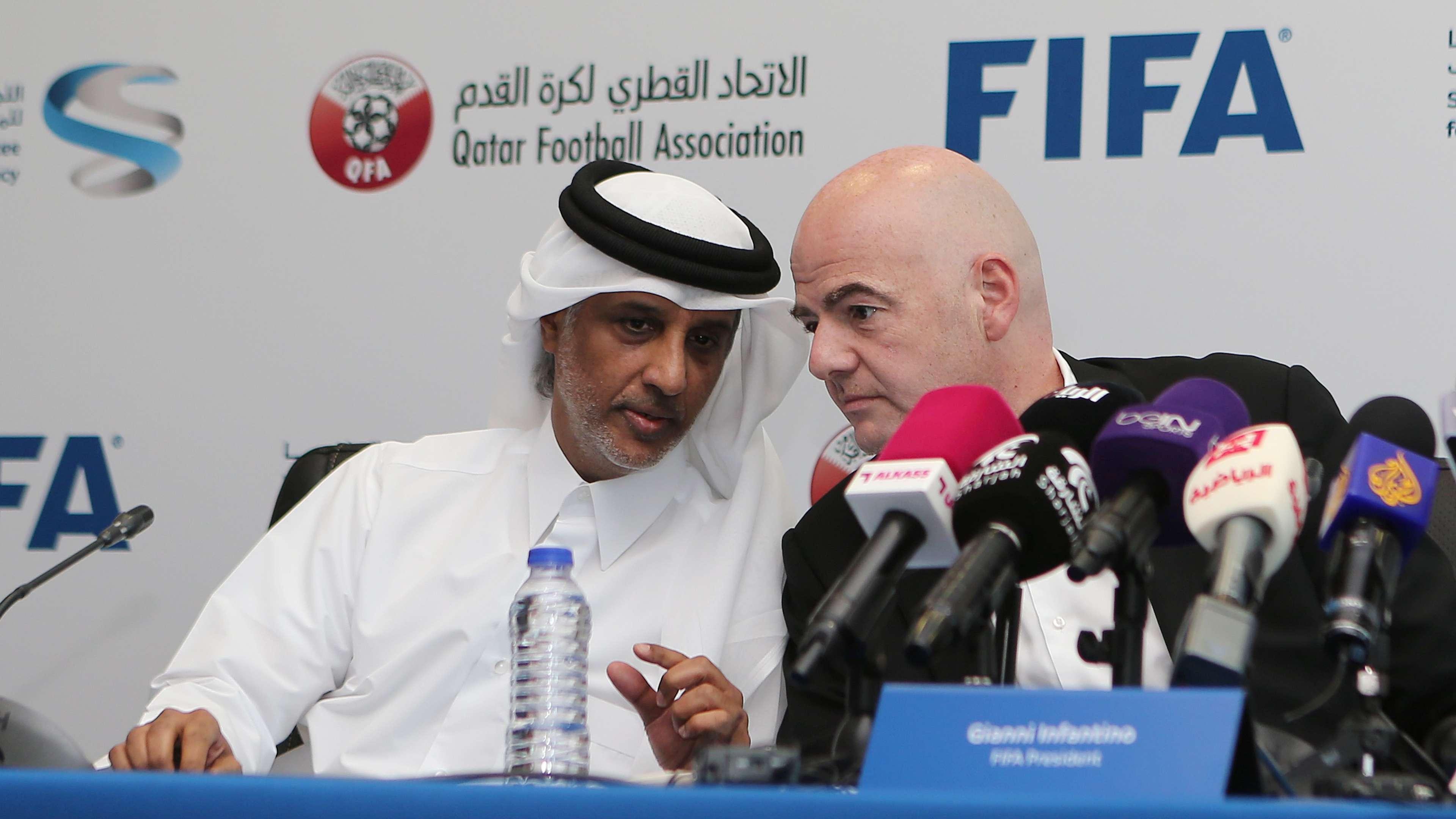
An open letter criticizing FIFA president Gianni Infantino has caused a rift within Asian football, with Qatar rejecting the Asian Football Confederation’s stance. The controversy has brought to light internal tensions within the Asian football community at a crucial juncture in the struggle over the future of the FIFA presidency.
Qatar’s Response
Qatar has demanded urgent clarification on who authorized the AFC to speak on behalf of its members, challenging the organization’s position. Hamad bin Khalifa Al Thani, president of the Qatar Football Association, voiced his displeasure in a strongly-worded message to AFC president Sheikh Salman bin Ibrahim Al Khalifa. Al Thani emphasized the need for proper consultations within the AFC before making public statements.
Al Thani stated, “No prior notice was given, no draft was circulated, and no opportunity was provided to comment on its content or contribute to it before it was published publicly in the name of the AFC and on behalf of its members.” This lack of consultation highlights the divide within the AFC.
Continental Confederations’ Rebellion
The rift within Asian football comes as three of the world’s largest continental confederations, including the AFC, UEFA, and CONCACAF, jointly called for Infantino’s resignation. The issue stemmed from Infantino’s failed attempt to secure private investment for FIFA’s tournaments, particularly the World Cup, as part of his reelection campaign.
Support for Infantino
In contrast to the AFC’s stance, six Arab associations, including Qatar and Morocco, have expressed their full support for Infantino. The statement, signed by four FIFA Council members, praised Infantino’s efforts to enhance football globally and strengthen the game’s role in uniting communities.
Infantino’s proposal to sell 20% of the World Cup’s commercial rights to private investors in an effort to raise funds faced backlash from the continental confederations and was ultimately scrapped. The controversy surrounding this proposal has intensified the divisions within the football community.
Conclusion
The ongoing feud within Asian football and the broader football community underscores the challenges facing FIFA and its leadership. With the FIFA presidency up for reelection next year, the internal divisions and differing opinions within the continental confederations continue to shape the future of global football governance.
As the battle for control of the sport unfolds, the implications of these divisions on the broader football landscape remain uncertain.
Stay tuned for more updates on the evolving situation in the world of football.
Implications of the Open Letter
The open letter criticizing FIFA president Gianni Infantino not only reveals the internal tensions within Asian football but also highlights the power dynamics at play within the FIFA organization. It signifies a growing discontent among member associations towards the leadership of FIFA and the decisions being made at the highest levels of football governance.
Qatar’s swift response to the AFC’s statement showcases the importance of transparency and consultation in decision-making processes within football governing bodies. The demand for clarification from Qatar raises questions about the autonomy of member associations within continental confederations and the need for a more inclusive and collaborative approach to decision-making.
Global Repercussions
The rebellion against Infantino by three major continental confederations, including the AFC, UEFA, and CONCACAF, signifies a broader discontent with the direction in which FIFA is headed. The failed attempt to secure private investment for FIFA tournaments has sparked a debate on the commercialization of the sport and the balance between financial interests and the integrity of the game.
The divisions within the football community over Infantino’s proposal to sell commercial rights to private investors reflect a deeper struggle for control and influence within FIFA. As the FIFA presidency comes up for reelection, these internal conflicts could impact the future direction of global football governance and the decisions made by FIFA leadership.
Unity and Discord in Football
The contrasting stances taken by different member associations, with some supporting Infantino and others criticizing his actions, highlight the complexities of uniting a diverse and global football community. The statements of support for Infantino from Arab associations like Qatar and Morocco underscore the varying perspectives and interests within FIFA member associations.
As the battle for control of the sport unfolds, the divisions and disagreements within the football community present a challenge to fostering unity and collaboration on key issues facing the sport. The need for open dialogue, transparency, and inclusive decision-making processes has never been more apparent as football navigates through these turbulent times.
Looking Ahead
As the situation continues to evolve in the world of football, it is crucial for all stakeholders, including member associations, confederations, and FIFA leadership, to engage in constructive dialogue and find common ground to address the challenges facing the sport. The upcoming FIFA presidential election will be a critical moment for the football community to come together and shape the future of global football governance.
Stay tuned for more updates on the developments and discussions shaping the world of football, as the sport navigates through these tumultuous times with the goal of promoting unity, integrity, and the best interests of the game.