Spanish Referees Affected by the Negreira Case: Changes and Challenges Ahead
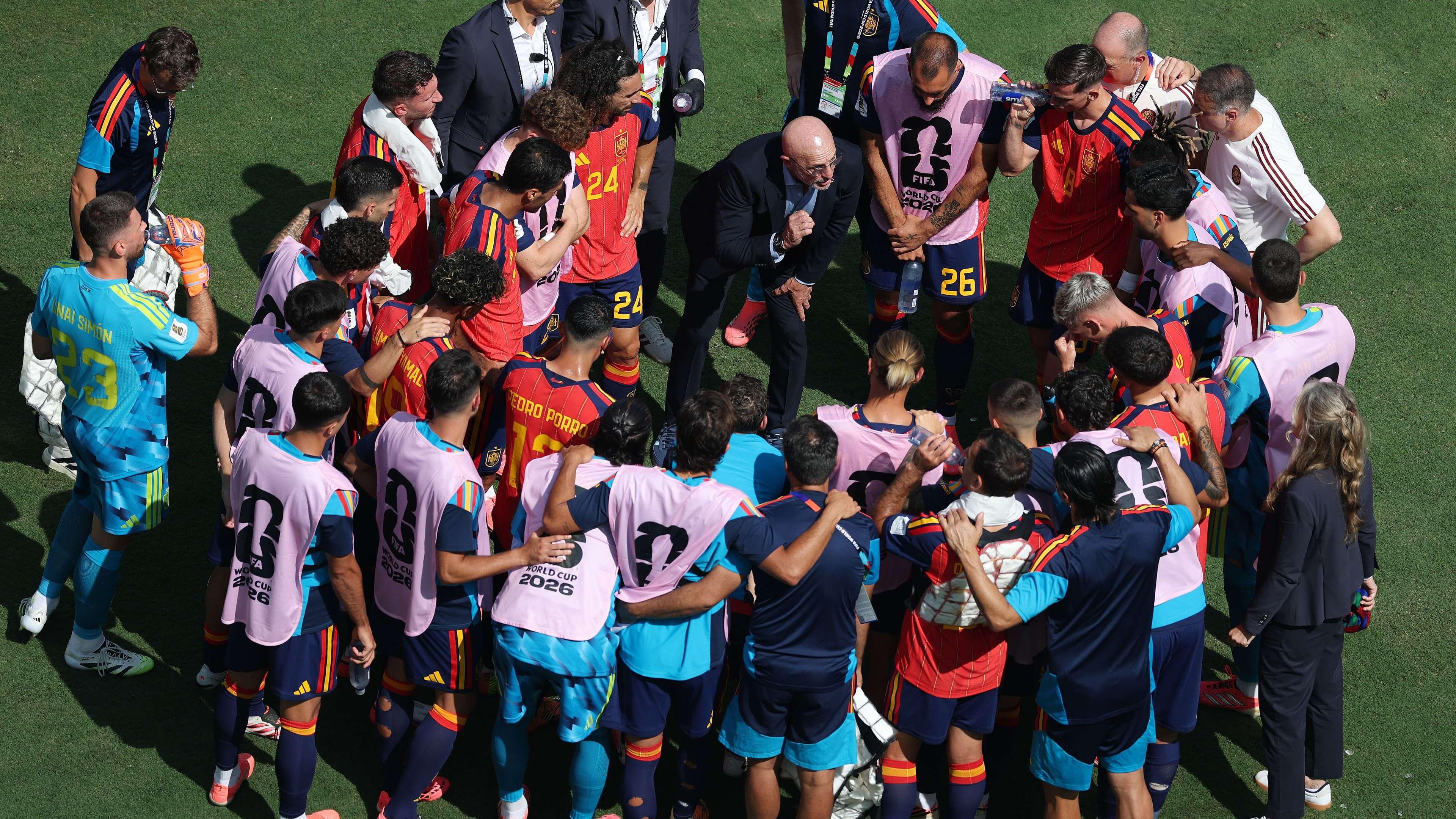
Fran Soto, the head of the referees’ committee at the Spanish Football Federation, recently shed light on some anticipated changes in the upcoming football season. Speaking on the program “El Partidazo” on Cadena COPE radio station, Soto revealed that La Liga will only implement drinks breaks in specific circumstances, moving away from the fixed cooling breaks seen during the 2026 World Cup.
Changes in La Liga Matches
Soto explained that drinks breaks will now only be introduced when temperatures exceed 32 degrees Celsius, ruling out additional stoppages in most La Liga matches. He joked that Spanish football will remain “more romantic” by preserving the traditional 15-minute half-time break between halves, ensuring a smooth flow of the game.
Spanish Referees’ Displeasure
Soto also addressed the disappointing participation of Spanish referees in the 2026 World Cup, with Hernández Hernández being the only Spanish referee officiating a match. This lack of representation was labeled as “very negative,” causing surprise and frustration within the Spanish refereeing sector, highlighting a mismatch between the referees’ level and their limited presence at the tournament.
The Negreira Case Impact
Soto hinted at the Negreira case potentially influencing FIFA’s decisions regarding referee selections, though he emphasized the lack of clarity on the real reasons behind the poor Spanish representation. He mentioned that Spanish referees were “the most harmed” by the Negreira case, prompting the committee to seek a direct meeting with FIFA officials for official clarifications.
New Refereeing and Technical Changes
Looking ahead, Soto discussed upcoming changes for the new season, including a crackdown on time wasted during substitutions where players must exit the pitch within 10 seconds. Additionally, a review of the protocol for dealing with second yellow cards and the adoption of ball technology connected to an electronic chip for offside situations were highlighted.
Call for Mutual Understanding
Despite the challenges faced, Soto expressed satisfaction with his first year leading the committee, praising the successful promotion play-off matches without VAR interventions. He emphasized the importance of mutual understanding between referees, clubs, and fans, acknowledging the difficulties referees face and the need for empathy from all parties involved.
As the football season approaches, these changes and challenges set the stage for an exciting and dynamic year ahead in Spanish football, with a focus on enhancing the refereeing standards and fostering better communication between all stakeholders.
Stay tuned for more updates on football news and developments as the season kicks off.
Enhancing Refereeing Standards in Spanish Football
As Spanish football gears up for the new season, the focus on improving refereeing standards is more crucial than ever. With the changes outlined by Fran Soto, the head of the referees’ committee, there is a clear effort to streamline the game while ensuring fairness and accuracy in officiating.
One of the key areas of focus is the implementation of new technologies to aid referees in making crucial decisions. The adoption of ball technology connected to an electronic chip for offside situations is a significant step towards reducing errors and improving the overall accuracy of match officiating. By leveraging these advancements, referees can make more informed decisions, ultimately benefiting the integrity of the game.
Addressing Time Wasting and Player Conduct
Another important aspect highlighted by Soto is the crackdown on time wasted during substitutions. By setting a strict timeframe for players to exit the pitch, referees aim to maintain the flow of the game and prevent unnecessary delays. This initiative not only enhances the spectator experience but also encourages players to adhere to the rules and show respect for the game.
Additionally, the review of the protocol for dealing with second yellow cards signals a commitment to fair play and consistency in disciplinary actions. By ensuring that rules are applied consistently across all matches, referees can uphold the integrity of the sport and maintain a level playing field for all teams.
Building Empathy and Understanding
Amidst the technical changes and operational adjustments, Fran Soto also stresses the importance of fostering mutual understanding between referees, clubs, and fans. Recognizing the challenges and pressures faced by referees, Soto emphasizes the need for empathy and support from all stakeholders. By promoting a culture of respect and appreciation for the work of referees, the Spanish football community can create a more positive and collaborative environment for all involved.
Looking Towards a Dynamic Season
With the upcoming football season on the horizon, the changes and challenges in Spanish football set the stage for an exciting and dynamic year ahead. As the league adapts to new regulations and implements innovative technologies, fans can expect a renewed focus on enhancing the overall quality of officiating and gameplay. Stay tuned for more updates as the season kicks off, and witness the evolution of Spanish football with a renewed emphasis on excellence and integrity.
Keep up with the latest football news and developments as the season progresses for insights into the ever-evolving landscape of Spanish football.