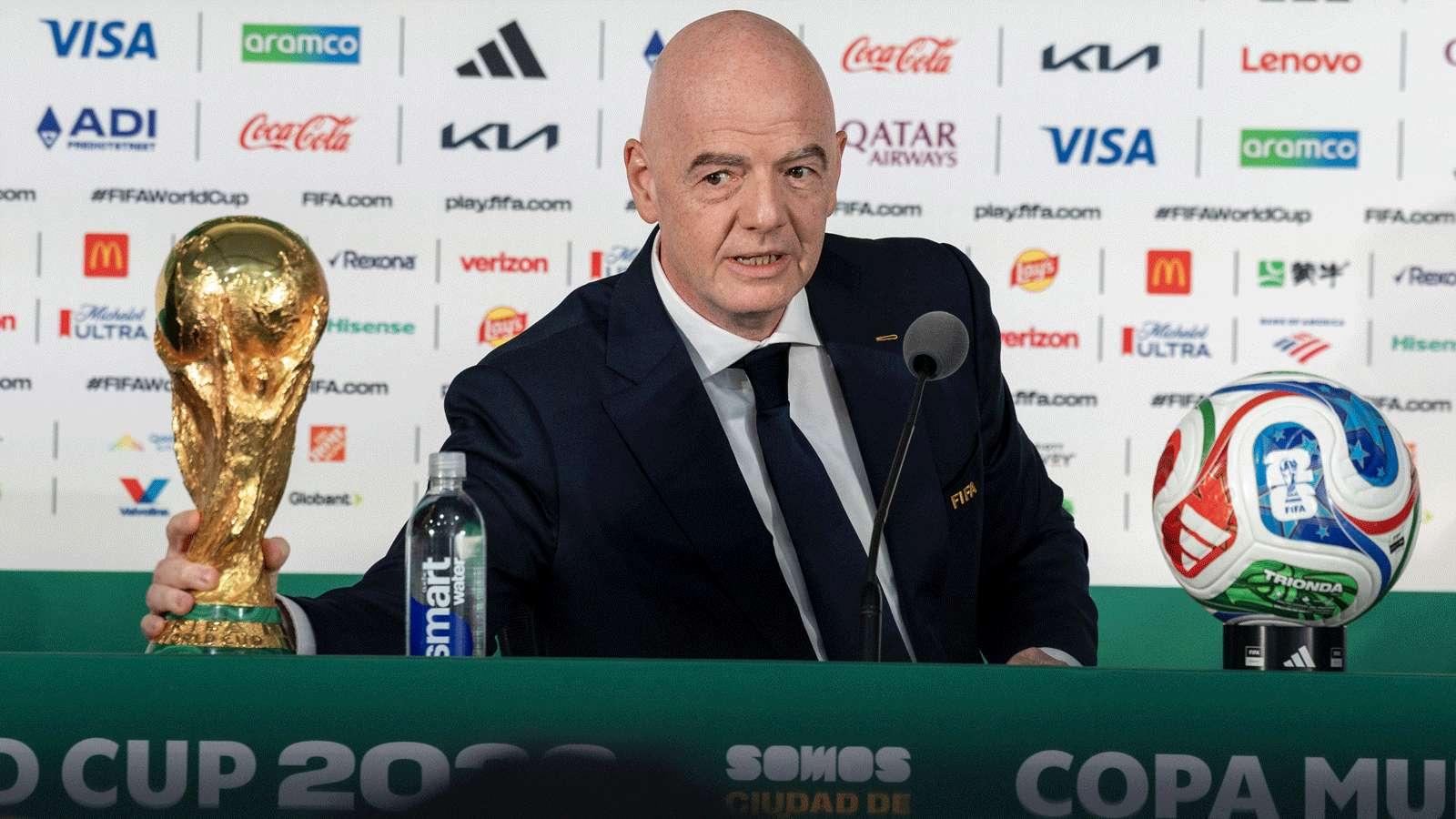
FIFA Faces Backlash Over Proposal to Privatize World Cup
A rift between FIFA and UEFA has reached a breaking point as European football’s governing body, UEFA, has vehemently opposed FIFA President Gianni Infantino’s proposal to commercialize the game. UEFA has accused FIFA of attempting to turn football into a “commodity” by selling the rights to major tournaments to private investors under the guise of development, sparking a European revolt in the football world.
At the core of Infantino’s controversial plan is the creation of a commercial company that would own the rights to major competitions, with the World Cup being the primary focus. The proposal includes offering shares of this company to investors and promising each of the 211 national federations a staggering $40 million, with an immediate first installment of $20 million for those who sign up before the looming deadline of September 19.
However, rejecting the proposal would result in federations facing a significant reduction in profits, potentially plunging from billions to just $2.7 billion, a drop of up to 75%. This move has been criticized by many as a form of blackmail, with major federations like the English Football Association expressing strong reservations about the plan.
UEFA’s Strong Opposition
On Wednesday, UEFA released a scathing statement in response to FIFA’s ultimatum, denouncing the plan and revealing growing opposition within the football community. The statement highlighted FIFA’s attempt to enrich itself and its associates at the expense of the game’s integrity and the stakeholders involved.
UEFA emphasized the importance of putting the interests of federations, clubs, tournaments, players, and fans above financial gain, stating that they are fully capable of developing the sport without compromising its values. The European governing body has called for a unified stance among its 55 member federations and plans to address Infantino’s proposal to privatize the World Cup at a crucial meeting scheduled for Thursday.
As tensions escalate between FIFA and UEFA, the future of football governance hangs in the balance. With both organizations standing firm on their positions, the football world eagerly awaits the outcome of the upcoming meeting and the decisions that will shape the future of one of the most beloved sports globally.
Keywords: football news, FIFA, UEFA, World Cup, Gianni Infantino, privatization, European revolt, stakeholders, commercialization, controversy.
Global Response to FIFA’s Proposal
The rift between FIFA and UEFA has not only sparked controversy within Europe but has also garnered a global response from football stakeholders worldwide. National federations from various continents, including Asia, Africa, and the Americas, have expressed concerns over the potential privatization of the World Cup and its implications on the future of the sport.
Several prominent football figures, including former players and coaches, have also voiced their opinions on the matter. Critics argue that commercializing major tournaments could lead to the prioritization of profit over the sport’s essence, jeopardizing its authenticity and fairness. Many fear that allowing private investors to control the World Cup could result in decisions being made solely for financial gain, rather than the betterment of football as a whole.
The Impact on Grassroots Football
One of the key concerns surrounding FIFA’s proposal is its impact on grassroots football development. Critics argue that diverting funds to a commercial entity could potentially take away resources from community-based programs that are vital for nurturing young talent and promoting the sport at the grassroots level.
European football clubs, especially those with strong youth academies, are apprehensive about the potential consequences of FIFA’s plan. Many fear that the focus on commercialization could shift the priorities in football from fostering local talent to maximizing profits, ultimately hindering the growth and sustainability of grassroots football initiatives.
Potential Legal Challenges
Amidst the growing backlash against FIFA’s privatization proposal, legal experts have raised concerns about the potential legal challenges that could arise if the plan moves forward. Some argue that selling the rights to major tournaments to private investors could violate existing regulations and agreements within the football industry, leading to disputes and legal battles that could further divide the football community.
Furthermore, questions have been raised about the transparency and accountability of a commercial entity that would control the rights to major competitions. Critics worry that private investors may prioritize profit-making strategies over the best interests of the sport, potentially leading to conflicts of interest and ethical dilemmas within the governance of football.
The Future of Football Governance
As FIFA and UEFA continue to clash over the privatization of the World Cup, the future of football governance remains uncertain. The outcome of the upcoming meeting between UEFA and its member federations could determine the direction in which the sport will evolve in the years to come.
Many stakeholders in the football community are calling for a collaborative and transparent approach to decision-making, emphasizing the need to prioritize the values and integrity of the sport above financial incentives. The ongoing debate between FIFA and UEFA highlights the broader issue of governance and accountability in football, raising important questions about who should ultimately have control over the future of the world’s most popular sport.
As the football world watches closely, the forthcoming decisions made by FIFA and UEFA will undoubtedly shape the landscape of global football and set a precedent for how the sport is governed and managed moving forward.