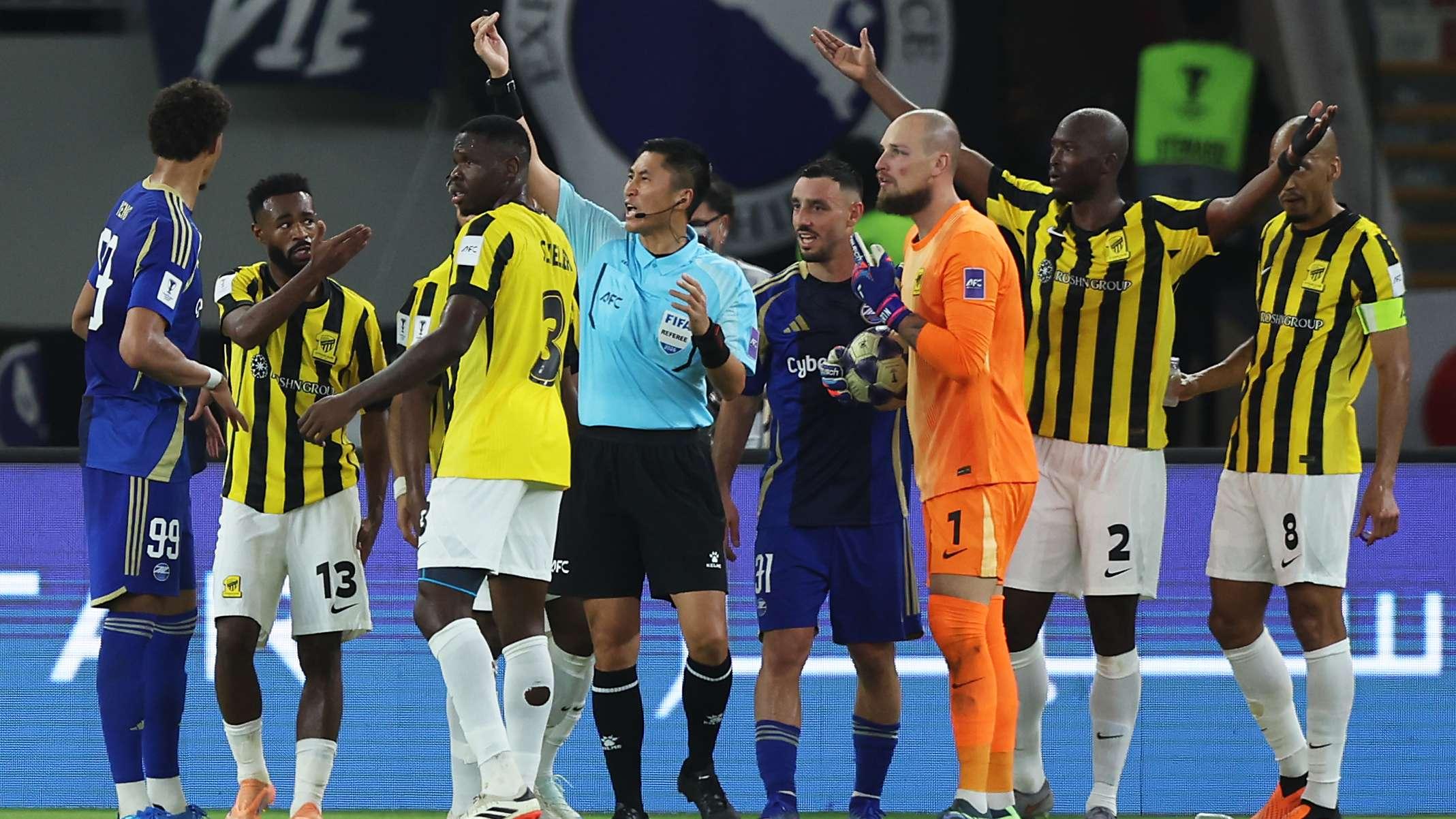
Al-Ittihad Football Club in Crisis: Administrative Confusion and Financial Troubles
Football fans around the world are eagerly awaiting the start of the new season, but for supporters of Al-Ittihad Football Club, the anticipation is marred by frustration and disappointment. The once-promising team is currently embroiled in a crisis that goes beyond just on-field performance.
A State of Administrative Confusion
The situation at Al-Ittihad has become increasingly dire, with fans expressing their anger and disappointment at the club’s current state. Contradictory decisions and financial troubles have plagued the team, leaving supporters questioning the direction of the club and the effectiveness of its management.
Last season, Al-Ittihad fell short of their major targets, leading fans to hope for a strong transfer window to revitalize the team. However, the reality has been far from ideal, with delays, backtracking, and failed deals dominating the headlines. The lack of a clear vision for the future has only added to the frustration among supporters.
The Root of the Problem: Liquidity Crisis
At the heart of Al-Ittihad’s troubles lies a financial crisis that has overshadowed the team’s technical shortcomings. The club’s lack of liquidity has hindered its ability to make significant moves in the transfer market, resulting in missed opportunities and failed negotiations.
Despite being linked with several high-profile players, including Imam Ashour, Marwan Attia, Ezzeddine Ounahi, and Raphael Onyedika, Al-Ittihad has struggled to finalize any deals due to financial constraints. The management’s inability to follow through on agreements, such as the case of Abdullah Radif, has further damaged the club’s reputation and credibility.
A Transfer Window with No Results
While Al-Ittihad’s name frequently pops up in transfer rumors, the club has yet to make any significant signings. Talks with players often fall through, leaving fans frustrated and questioning the club’s decision-making process. The lack of concrete action has given rival clubs an advantage in securing their targets swiftly.
German coach Jens Wissing, who was brought in to lead a new project at Al-Ittihad, has been left without the necessary reinforcements to implement his strategies. The management’s failure to address key positions has left the team unprepared for the upcoming season, sparking concerns among supporters about the team’s competitiveness.
The Fans’ Loss of Trust
Perhaps the most significant consequence of Al-Ittihad’s current crisis is the growing divide between the club’s management and its fans. Calls for administrative changes have been mounting, with a large portion of the fanbase placing the blame on how the club is being operated rather than on the coach or players.
As the new season approaches, Al-Ittihad’s management faces a crucial test in restoring the fans’ trust and salvaging the transfer window. Failure to do so could result in a toxic atmosphere surrounding the club, adding even more pressure on the team to perform under challenging circumstances.
Despite the challenges ahead, Al-Ittihad’s loyal supporters remain hopeful that the club can overcome its current crisis and return to its former glory. Only time will tell if the team can navigate through these turbulent times and emerge stronger on the other side.
Strategic Planning and Long-Term Vision
One crucial aspect that Al-Ittihad Football Club needs to address is the development of a clear strategic plan and long-term vision for the club. Without a roadmap for success, the team will continue to flounder in uncertainty and face challenges in attracting top talent and securing lucrative sponsorship deals.
Establishing a solid foundation based on sound financial management, youth development programs, and a strong scouting network can help Al-Ittihad build a sustainable future. By investing in the club’s infrastructure and fostering a culture of accountability and transparency, the management can regain the trust of disillusioned fans and stakeholders.
The Importance of Player Recruitment and Retention
Player recruitment and retention play a pivotal role in the success of any football club. Al-Ittihad must prioritize identifying and securing talented players who can make an immediate impact on the team’s performance. Building a competitive squad with a mix of experienced veterans and promising young talent is essential for achieving on-field success.
Additionally, retaining key players and providing them with the necessary support and resources to thrive is equally vital. Developing a cohesive team with strong chemistry and a shared sense of purpose can help Al-Ittihad overcome challenges both on and off the pitch.
Community Engagement and Brand Building
Engaging with the local community and building a strong brand presence can enhance Al-Ittihad’s reputation and attract new fans and sponsors. By connecting with supporters through fan events, social media campaigns, and community outreach programs, the club can foster a sense of belonging and loyalty among its fanbase.
Furthermore, investing in marketing initiatives and strategic partnerships can help raise the club’s profile nationally and internationally. Leveraging digital platforms and creating compelling content can expand Al-Ittihad’s reach and attract a global audience of football enthusiasts.
Looking Towards a Brighter Future
While Al-Ittihad Football Club currently finds itself in a challenging situation, there is still hope for a brighter future. By addressing the root causes of its administrative confusion and financial troubles, implementing a strategic plan for success, focusing on player recruitment and retention, and engaging with the community, the club can turn the tide and emerge stronger than ever.
With the unwavering support of its dedicated fans and a renewed commitment to excellence, Al-Ittihad has the potential to overcome its current crisis and reclaim its status as a powerhouse in the world of football. By learning from past mistakes and embracing a forward-thinking approach, the club can pave the way for long-term success and sustainable growth.